
GLP-1s and Mild Appetite Loss: Making Every Bite Count for Nutrition
Mild appetite loss on GLP-1s can make it tricky to get enough nutrients. Here’s how to make every bite count with practical meal and snack strategies.
If you’re taking a GLP-1 medication and finding your appetite is milder than before, you’re not alone. Appetite suppression is a known effect of GLP-1s, and while it can be helpful for weight management, it also means you’re eating less—sometimes a lot less. That makes every bite more important for your health, especially when it comes to getting enough nutrients.
Why Mild Appetite Loss Matters for Nutrition
GLP-1 receptor agonists typically reduce calorie intake by 16% to 39% compared to placebo, according to a 2024 joint advisory from leading nutrition and obesity medicine organizations. This means you may be eating significantly less food overall, which can unintentionally lower your intake of vitamins and minerals—especially if your diet was already missing some key nutrients (Nutritional priorities to support GLP-1 therapy for obesity - PMC).
The most common micronutrients at risk with lower food volume are:
- Iron
- Calcium
- Magnesium
- Zinc
- Vitamins A, D, E, K, B1, B12, and C
According to these guidelines, a multivitamin-mineral supplement (including iron, zinc, B12, and folate) is a practical interim measure, especially if you’re unsure your meals are covering all your bases (Bridging the nutrition guidance gap for GLP-1 receptor agonist therapy - Nature).
But supplements aren’t a substitute for a nutrient-dense diet. The real goal: make every bite count by focusing on quality, not just quantity.
Protein: Your Top Priority
With a smaller appetite, it’s easy to fall short on protein—yet it’s crucial for preserving lean muscle and supporting your metabolism during weight loss. The recommended daily intake: 1.2–1.6 grams of protein per kilogram of body weight, aiming for about 25–35 grams of protein per meal (Nutrition-First Support for GLP-1 and Dual Incretin Therapy - PMC).
Best protein sources for small appetites:
- Dairy (Greek yogurt, cottage cheese)
- Eggs
- Fish and poultry
- Soy products (tofu, tempeh)
- Protein drinks or shakes (15–25g per serving)
Tip: Start each meal with your protein portion first—this helps ensure you get the most important nutrients when your capacity is highest (Early satiety on GLP-1: nutrient-density strategies for smaller meals | GLP-1 Nutrition).
Build Small, Powerful Meals
Instead of three large meals, many people find it easier to eat smaller, structured meals or snacks every 2–4 hours. This pattern can help maintain your intake and manage GI symptoms like fullness or mild nausea (No Appetite on Wegovy® or Other GLP-1s? We're Here to Help).
Easy-to-eat, nutrient-dense options:
- Smoothies: Blend fruit, leafy greens, protein powder, and nut butter for a compact nutrient boost.
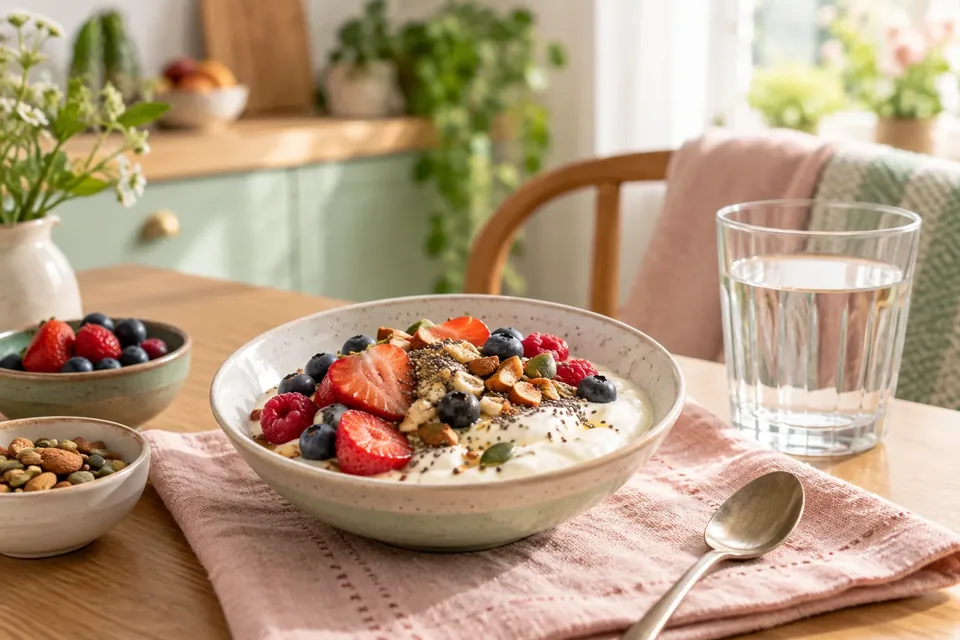
- Yogurt bowls: Top Greek yogurt with berries, chia or flax seeds, and a drizzle of honey.
- Soups and broths: Add lentils, beans, or shredded chicken for extra protein and fiber.
- Cottage cheese with fruit or nuts: Quick, soft, and rich in protein and micronutrients.
Meal prepping and keeping ready-to-eat snacks handy can be a lifesaver on days when appetite is especially low.
Meal Pairing and Sequencing for Maximum Nutrition
A smart meal structure can help you get the most from every bite:
- Start with protein and vegetables.
- Add healthy fats (avocado, olive oil, nuts).
- Finish with whole grains or starches if you still have room.
This approach makes sure the most nutrient-rich foods are eaten first, in case you fill up quickly.
Sample meal pairings:
- Greek yogurt + berries + chia seeds
- Cottage cheese + peach slices + walnuts
- Chicken and white bean soup + whole grain toast
- Smoothie with spinach, protein powder, banana, and almond butter
Focus on Nutrient Density
When you’re eating less, every food choice matters more. Prioritize minimally processed, nutrient-rich whole foods:
- Fruits: Berries, oranges, kiwi
- Vegetables: Leafy greens, squash, bell peppers
- Whole grains: Oats, quinoa, brown rice
- Legumes: Beans, lentils, chickpeas
- Lean proteins: Fish, chicken, eggs, tofu
- Nuts and seeds: Almonds, chia, flax
- Dairy: Yogurt, cheese, milk
- Plant fats: Olive oil, avocado
Try to avoid filling up on refined carbs, sugary drinks, processed meats, or ultraprocessed snacks—they take up precious stomach space without providing much nutrition (Nutritional priorities to support GLP-1 therapy for obesity - PMC).
For more ideas, see our guide on meal prep for small appetites and high-protein meals for GLP-1.
Hydration: Sip Smart
Mild appetite loss can sometimes be accompanied by constipation, nausea, or fatigue. Staying hydrated helps prevent these symptoms. Aim for 1.5–2.5 liters of fluids per day, but try to sip gradually and avoid drinking large amounts right before or during meals (Nutrition-First Support for GLP-1 and Dual Incretin Therapy - PMC).
For more hydration tips, visit hydration on GLP-1.
Supplements: When and Why
Because the risk of micronutrient deficiency is higher with reduced food intake, a daily multivitamin-mineral supplement covering iron, zinc, B12, folate, calcium, and vitamin D is often recommended by clinical guidelines as a precaution—especially if you’re unsure about your diet (Bridging the nutrition guidance gap for GLP-1 receptor agonist therapy - Nature).
Long-term data on actual deficiency rates during GLP-1 use are limited, so this advice is based on best available evidence and the experience from bariatric surgery nutrition (Micronutrient risk with GLP-1 receptor and dual incretin agonists in obesity - PMC). If you have concerns about specific deficiencies, talk with your clinician about lab checks.
Symptom Management and Flexibility
Everyone’s experience is different—some people have days with more appetite, others less. On low-appetite days, liquid or soft foods (like protein shakes, smoothies, or broths) can be easier to tolerate and still deliver nutrition. On better days, focus on maximizing protein and micronutrient-rich foods.
If you experience persistent or severe GI symptoms (like ongoing nausea, vomiting, or inability to eat), let your clinician know. For strategies on adjusting to smaller portions without guilt, see our post on smaller appetite, leftovers, and food guilt.
Tracking Your Intake
Keeping a simple log of what you’re eating and how you’re feeling can help you and your clinician spot patterns or nutrient gaps. An app like GLPily can make this easier, but even basic notes on protein and fruit/veggie servings can be valuable.
What We Still Don’t Know
While these strategies are based on expert guidance and the best available research, there’s still uncertainty. Most recommendations come from broader weight-loss and bariatric surgery literature, not long-term GLP-1–specific studies. Actual rates of micronutrient deficiency over years of GLP-1 use aren’t well known yet, so staying in touch with your care team remains important.
Takeaway
Mild appetite loss on GLP-1s means you need to be intentional about nutrition, but it can be done—one small, satisfying bite at a time. Prioritize protein, focus on nutrient-dense foods, use easy-to-eat formats, and don’t hesitate to supplement if needed. Your future self will thank you for every smart choice, no matter how small.
Sources and further reading
- PMC - Nutritional priorities to support GLP-1 therapy for obesity
- Nature - Bridging the nutrition guidance gap for GLP-1 receptor agonist therapy
- PMC - Micronutrient risk with GLP-1 receptor and dual incretin agonists in obesity
- PMC - Nutrition-First Support for GLP-1 and Dual Incretin Therapy in Obesity
- GLP-1 Nutrition - Early satiety on GLP-1: nutrient-density strategies for smaller meals
- NJ Bariatric Center - No Appetite on Wegovy® or Other GLP-1s?
This article is general education, not medical advice, and hasn’t replaced a conversation with your prescriber. Never change, skip or stop a medicine based on an article or an app. If you have severe or worrying symptoms, get medical help. Written by the GLPily Editorial Team from the sources listed above.
Make your GLP-1 journey easier to track 💚
Keep your shots, weight, food, water and symptom notes together with GLPily, and meet Pily, the little coach who answers from your own logs.


- Shot tracking
- Water & symptoms
- Weight trends
- Journal
- Food scanner
- Progress photos