
Meal Prep for Small Appetites on GLP-1s: Less Waste, More Nutrition
Meal prepping with a small appetite on GLP-1 medications is all about smart portioning, protein focus, and minimizing waste. Here’s how to make every meal count.
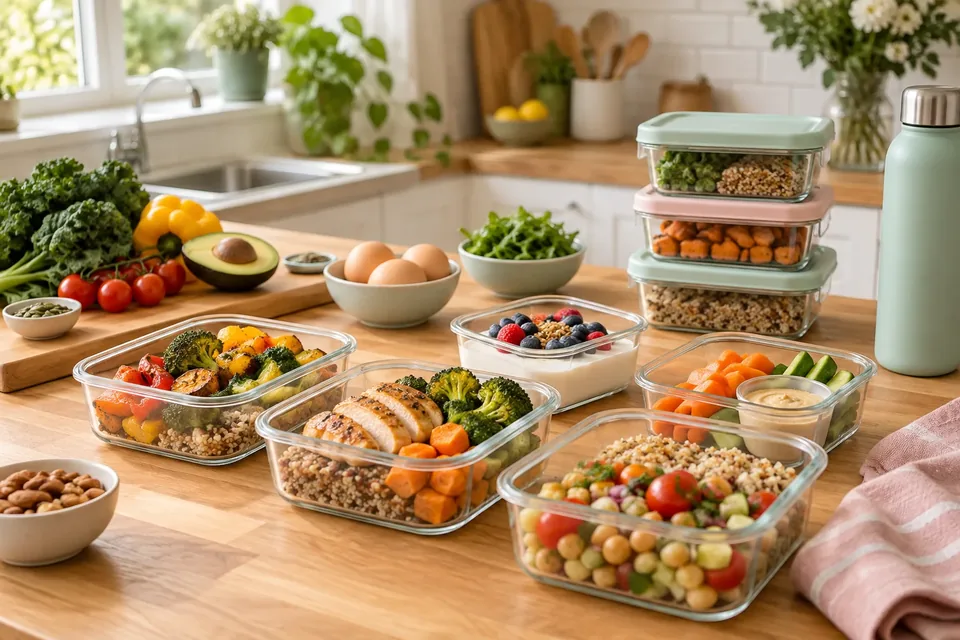
A smaller appetite is a common and expected effect of GLP-1 medications like semaglutide or tirzepatide—so much so that many people find themselves eating far less than before. This shift can make meal planning and prep feel unfamiliar, but with a few strategies, you can keep your nutrition on track and your food waste to a minimum.
Why Portioning Matters on GLP-1s
GLP-1 receptor agonists are designed to help you feel fuller, faster, and for longer. According to a 2026 narrative review, this often leads to much smaller meals and a lower overall calorie intake (PubMed). However, eating less can unintentionally mean less protein, fewer vitamins, and a higher risk of losing lean muscle mass. The American Diabetes Association (ADA) warns that as much as 25–30% of weight lost with GLP-1s may come from muscle and bone, not just fat (ADA Standards).
To help preserve muscle and health, the ADA and related groups recommend aiming for 1.2–1.6 grams of protein per kilogram of body weight each day, or at least 60 grams daily for many adults. JAMA Internal Medicine also suggests starting every meal with 20–30 grams of protein (JAMA). For those with very low appetites, protein shakes with over 20 grams per serving can fill in nutritional gaps.
Building Your Meal Prep Plan: Less Is More
1. Think Small, Frequent, and Flexible
Instead of three big meals, try eating smaller, protein-rich meals every 2–4 hours—a rhythm that aligns with reduced hunger and a slower digestive tract (Mayo Clinic).
- Batch-cook proteins: Grill or bake chicken breasts, hard-boil eggs, or prepare beans and lentils. Portion them out in individual containers.
- Flexible sides: Cook grains like rice or quinoa in advance and freeze in half-cup “souper cubes” for easy use (Reddit).
- Soup, stew, and smoothies: These are easy to portion, freeze well, and are gentle on the stomach—especially helpful on days when appetite is low (Mayo Clinic).
2. Portion Control Tools That Work
- Small plates and ramekins: Using smaller dishes can make modest servings feel more satisfying and reduce the pressure to finish large portions (Reddit).
- Souper cubes or silicone trays: Freeze single servings of soup, stews, or grains for quick, waste-free meals.
- Label and date everything: Refrigerate leftovers for up to 3–4 days, or freeze for 3–4 months. Reheat to at least 165°F for safety (MyFitnessPal).
3. High-Protein, Low-Volume Staples
When appetite is tiny, every bite counts:
- Greek yogurt, cottage cheese, or eggs: Each packs protein in a small volume (Ohio State Health).
- Tuna pouches, edamame, or beans: Convenient and easy to add to salads or soups.
- Protein-fortified oatmeal or pastas: A way to sneak more nutrition into familiar foods.
Try prepping a few go-to recipes and halving them if needed. The GLP-1 Kitchen cookbook offers ideas like cottage cheese oatmeal pancakes and meatballs—easy to batch, freeze, and reheat (GLP-1 Kitchen).
Reducing Food Waste: Mindful Shopping and Storage
Cutting waste starts at the store. Inventory your pantry and fridge before shopping to avoid overbuying (Healthline). Consider:
- Buying in bulk, portioning at home: Divide large packages into single servings and freeze.
- Repurposing leftovers: Turn yesterday’s roast chicken into today’s salad or soup.
- Storing scraps: Freeze veggie ends for future broths or smoothies (EPA).
EPA guidance confirms that planning, proper storage, and freezing are among the best ways to prevent waste at home. On a larger scale, offering customizable portions could cut millions of tons of food waste every year (CIA Pro Chef).
Behavioral and Psychological Strategies
Many GLP-1 users find that embracing small portions isn’t just about food—it’s about mindset. User communities suggest:
- Prep ingredients, not always full meals: Dice veggies, cook proteins, and freeze in small batches for flexible combos.
- Visual cues: Small bowls and utensils can make meals feel more abundant and less overwhelming (Reddit).
- Accepting less food noise: With fewer cravings, focus on making each meal satisfying, not just filling.
A recent report found GLP-1 users are more likely to value smaller, right-sized portions—sometimes even willing to pay for less if it means less waste (ReFED).
Meal Prep, Side Effect Management, and When to Seek Help
Mindful, slow eating—chewing well, taking small bites, and not rushing—can help with common side effects like nausea. Avoiding fried, spicy, or high-fat foods may also help (JAMA). On days when appetite is especially low, protein shakes or small, soft meals (like cottage cheese bowls or pureed soups) can help maintain nutrition.
If you’re struggling to meet protein or hydration goals, or have symptoms like persistent vomiting, severe fatigue, or signs of malnutrition, it’s important to reach out to your clinician. Keeping a log of your symptoms and intake (using an app like GLPily) can help guide these conversations.
Small Steps, Big Impact
Meal prep with a small appetite on GLP-1s is less about restriction and more about smart choices. By focusing on protein, prepping small and flexible portions, and embracing new kitchen habits, you can make the most of every bite—while doing your part to cut down on food waste. For more on portioning, see our GLP-1 portion sizes guide and explore high-protein meal ideas for inspiration.
Sources and further reading
- PubMed - Effect of GLP-1 receptor agonist on nutrient intake: A narrative review.
- American Diabetes Association - Pharmacologic Treatment of Obesity in Adults
- JAMA Internal Medicine - I Am Taking a GLP-1 Weight-Loss Medication—What Should I Know?
- Ohio State Health - Can you become malnourished on a GLP-1
- MyFitnessPal - Meal Prep Tips for GLP-1 Success
- EPA - Preventing Wasted Food At Home
- Reddit - What I mean when I say “small meals” on GLP1
This article is general education, not medical advice, and hasn’t replaced a conversation with your prescriber. Never change, skip or stop a medicine based on an article or an app. If you have severe or worrying symptoms, get medical help. Written by the GLPily Editorial Team from the sources listed above.
Make your GLP-1 journey easier to track 💚
Keep your shots, weight, food, water and symptom notes together with GLPily, and meet Pily, the little coach who answers from your own logs.


- Shot tracking
- Water & symptoms
- Weight trends
- Journal
- Food scanner
- Progress photos