
GLP-1s and Portion Distortion: Making Smaller Servings Feel Satisfying
GLP-1 medicines can make smaller portions possible—but actually enjoying less food takes more than biology. Here’s how to use visual cues, plate strategies, and mindset shifts to feel satisfied with less.
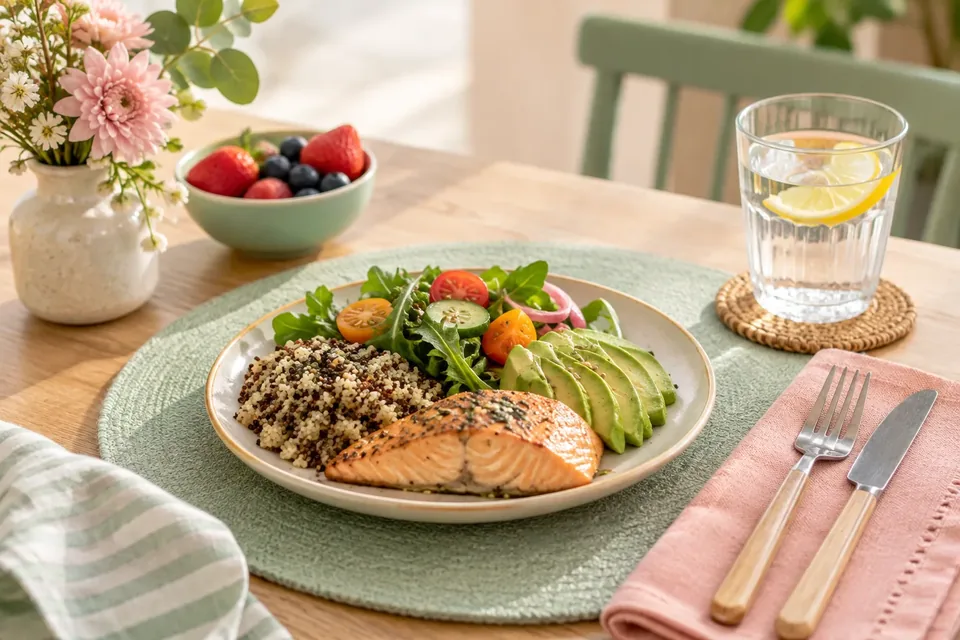
If you’re finding it tricky to feel satisfied with smaller meals on GLP-1 medicines, you’re not alone. GLP-1 receptor agonists make it biologically easier to eat less—but your eyes and mind might need extra support to feel truly content with a downsized plate. Here’s how to make smaller portions feel normal (and even satisfying), from the science of appetite to practical plate and mindset strategies.
Why Smaller Portions Happen on GLP-1s
GLP-1 medicines, like semaglutide and tirzepatide, work by reducing both physiological hunger and the psychological urge to eat. According to a systematic review and meta-analysis of 16 placebo-controlled studies, people on GLP-1s ate about 271 fewer calories at lunch compared to those on placebo, under standardized meal conditions. This effect remained consistent across studies (ScienceDirect, Nutritional intake changes).
A 60-week randomized controlled trial of semaglutide 2.4 mg showed this isn’t just a short-term effect: participants ate about 240–292 fewer calories per meal at 20, 40, and 60 weeks, with persistent appetite suppression and less food reward (PubMed, Short- and long-term effects).
But eating less isn’t always as simple as feeling less hungry. The way food looks, your habits, and your expectations about what a “normal” meal should be can all influence satisfaction. Even with appetite reduced, it’s common to feel awkward or deprived when faced with a smaller portion, especially if you’re used to filling your plate.
Appetite, Food Noise, and the Mind
GLP-1s don’t just quiet physical hunger—they also turn down “food noise,” or the constant mental chatter about eating. In a JAMA Network Open study, many people on GLP-1s described fewer intrusive thoughts about food, clearer thinking, and a sense of relief from persistent cravings (JAMA Network Open, Patient Experiences).
A US survey of semaglutide users found that the proportion of people reporting intrusive food thoughts dropped dramatically—from up to 63% before medication to just 15–20% while taking it. Most participants also reported improved mental health and greater satisfaction with their eating habits (PMC, INFORM Survey).
Still, not everyone instantly feels comfortable with a smaller meal. In a controlled study, people on GLP-1s reported less hunger and desire to eat, but fullness and feelings of physical satisfaction after eating weren’t significantly different from those not on the medicine (ScienceDirect, Chemosensory Function). This suggests that while your drive to eat may drop, your eyes and brain might still expect a certain plateful—at least at first.
The Power of Visual Cues: Why Plate Size Matters
One of the simplest tricks for adjusting to smaller portions is visual: use a smaller plate or bowl. Seeing a full plate, even if it’s physically smaller, can help your brain register the meal as complete. This strategy is echoed by community members and supported by behavioral research (Reddit, Normal portions don’t work for me).
Why does this work? Our brains are wired to associate fullness and satisfaction with visual abundance. A small serving on a large plate can look sparse, triggering feelings of deprivation—even if you’re not hungry. Flipping the script with a smaller plate makes the same amount of food look generous, helping close the gap between what your body needs and what your mind expects.
Protein, Fiber, and Nutritional Balance
Downsizing portions doesn’t mean skimping on nutrition. Dietitians cited in recent news coverage recommend aiming for 20–30 grams of protein per meal (about 1.2 g per kilogram of body weight per day) and including plenty of fiber. Both protein and fiber promote satiety and help counteract common side effects like constipation (AP News, GLP-1 Friendly labels).
To make the most of your smaller meals:
- Prioritize protein: Include chicken, fish, tofu, eggs, or beans at each meal.
- Add fiber-rich foods: Vegetables, whole grains, and legumes add bulk and satisfaction.
- Limit low-nutrient fillers: With less room, focus on foods that give you staying power.
For more practical tips, see Easy At-Home Protein Snacks for GLP-1 and What to Eat on GLP-1.
Mindset Shifts: From Deprivation to Self-Care
Adjusting to new portion sizes isn’t just a matter of willpower. It’s about reframing what a “normal” meal looks like for you, right now.
Strategies for a More Satisfying Meal Experience
- Pause before eating: Take a moment to notice your hunger level and set an intention for your meal.
- Eat slowly and mindfully: Savor each bite, checking in with your body’s cues.
- Celebrate progress: Smaller portions don’t mean less enjoyment. Focus on flavors, textures, and how your body feels.
- Practice self-compassion: If you miss larger portions, that’s normal. Change takes time.
Behavioral and emotional support—like breathwork, journaling, or cognitive behavioral strategies—can also make the transition smoother. According to The Atlantic (September 2026), people who use psychological tools alongside GLP-1s often report greater quality of life, even if weight loss isn’t the only goal (The Atlantic, GLP-1s and Mental Health).
For more on making peace with food, see GLP-1 Relationship With Food and GLP-1 Emotional Eating.
Will I Always Need Smaller Portions?
It’s natural to wonder if your body will adapt and want more food over time. Research shows that while GLP-1s suppress appetite and food reward for months, real-world eating patterns can shift as your body and mind adjust (ScienceDirect, Nutritional intake changes). Some people find their hunger stays low; others notice fluctuations, especially if they change dose or stop medication. For more on this, see Appetite Returned on GLP-1?.
If you find yourself still hungry after meals, check in with your clinician. Tracking your symptoms and meal sizes in an app like GLPily can help you and your care team spot patterns and adjust as needed.
Portion Control Isn’t Just for GLP-1 Users
Interestingly, even people not taking GLP-1s can benefit from modest portion reduction. A 2015 crossover study found that cutting breakfast portions by 20–40% led to less hunger, but didn’t cause people to eat more at later meals (PMC, Effect of reducing portion size). GLP-1s make this process easier by turning down appetite and food thoughts, but the basic principle—smaller portions can be satisfying—applies broadly.
Final Thoughts
Adapting to smaller servings on GLP-1s is a blend of biology, psychology, and habit. The medicine helps quiet hunger and food noise, but how you plate your food and think about meals can make the difference between feeling deprived and feeling satisfied. With the right strategies, smaller portions can feel just right for your body and your mind.
Sources and further reading
- ScienceDirect - Nutritional intake changes during GLP-1 receptor agonist therapy: A systematic review and meta-analysis
- PubMed - Short- and long-term effects of semaglutide 2.4 mg on energy intake, appetite, and food reward: a 60-week, double-blind randomized controlled trial
- JAMA Network Open - Patient Experiences With GLP-1 Receptor Agonists
- PMC - Retrospective Assessment of Food Noise Changes After Initiation of Injectable Semaglutide for Weight Management in the USA: The INFORM Survey
- ScienceDirect - The Effects of Glucagon-Like Peptide-1 Receptor Agonists on Chemosensory Function and Ingestive Behavior
- AP News - Food companies are targeting users of weight-loss drugs with 'GLP-1 Friendly' labels
- The Atlantic - GLP-1s Are Rewriting the Story of Weight Loss and Mental Health
- Reddit - Normal portions don’t work for me on GLP-1
- PMC - Effect of reducing portion size at a single meal on daily energy intake, appetite and gastrointestinal hormones in overweight and obese adults
This article is general education, not medical advice, and hasn’t replaced a conversation with your prescriber. Never change, skip or stop a medicine based on an article or an app. If you have severe or worrying symptoms, get medical help. Written by the GLPily Editorial Team from the sources listed above.
Make your GLP-1 journey easier to track 💚
Keep your shots, weight, food, water and symptom notes together with GLPily, and meet Pily, the little coach who answers from your own logs.


- Shot tracking
- Water & symptoms
- Weight trends
- Journal
- Food scanner
- Progress photos