
Hydration on GLP-1: Everyday Habits and Helpful Questions
Simple hydration habits for everyday life on GLP-1, why needs vary, and when symptoms deserve professional advice.
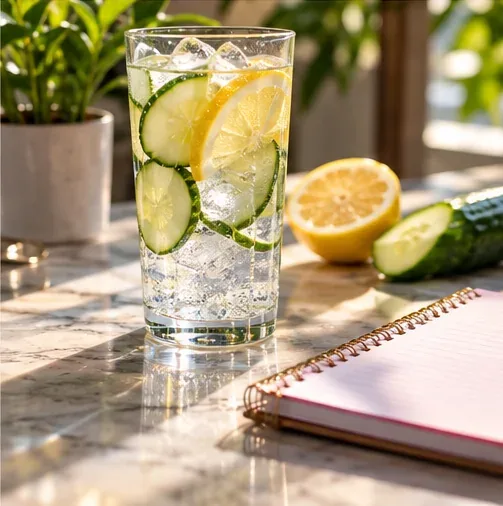
Hydration matters in everyday life, but there is no single water target that fits every person. Needs vary with factors such as age, sex, body size, activity level, hot weather, illness and health conditions. A clinician may also recommend a fluid limit for some conditions, so do not follow a generic target if it conflicts with individualized advice.
Make drinking fluids easier to remember
- Keep a reusable bottle somewhere visible if that works for you.
- Pair a drink with routines you already have, such as meals or a work break.
- Choose water or other drinks that fit your preferences and any advice you have been given.
- Include foods with fluid, such as soups and many fruits and vegetables, as part of your overall pattern.
- Use reminders if you tend to forget during busy days.
These are organizational ideas, not a prescription for a particular volume. MedlinePlus notes that water needs vary and that total water intake includes beverages and food.
If appetite or digestive symptoms have changed
Some people taking GLP-1 medications experience nausea, vomiting or other gastrointestinal symptoms. If symptoms make it hard to drink or keep fluids down, contact your healthcare professional. Follow the official information for your prescribed medication and seek prompt care for severe symptoms or signs of dehydration, such as urinating much less than usual, dizziness or extreme thirst.
Hydration and constipation
NIDDK notes that appropriate fluids help fiber work when increasing fiber to address constipation. But drinking more water is not a guaranteed fix for every cause of constipation. If symptoms persist or you have a condition that affects fluid needs, get advice tailored to you.
Build a realistic routine
Rather than aiming for a perfect number, start by noticing when you usually forget to drink. Put a bottle near that activity or set a gentle reminder. If you track intake, treat it as an estimate and avoid turning the number into a source of pressure.
Ask your clinician how much fluid is appropriate if you have kidney, heart or other conditions that affect hydration, or if you have concerns about medication side effects. A routine should support your well-being, not conflict with medical advice.
Sources and further reading
This article is general education, not medical advice, and hasn’t replaced a conversation with your prescriber. Never change, skip or stop a medicine based on an article or an app. If you have severe or worrying symptoms, get medical help. Written by the GLPily Editorial Team from the sources listed above.
Make your GLP-1 journey easier to track 💚
Keep your shots, weight, food, water and symptom notes together with GLPily, and meet Pily, the little coach who answers from your own logs.


- Shot tracking
- Water & symptoms
- Weight trends
- Journal
- Food scanner
- Progress photos