
GLP-1s and Social Gatherings Without Meals: Building New Rituals and Connections
GLP-1 medicines can change how you socialize, often reducing food-centered gatherings. Here’s how to build new rituals, connect meaningfully, and navigate conversations about your changing habits.
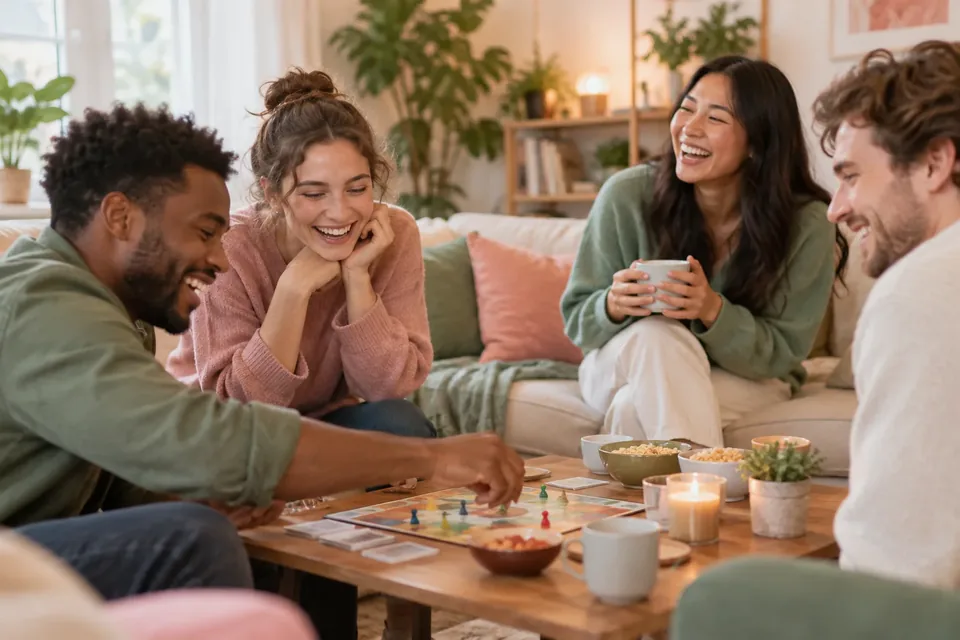
When your appetite changes on a GLP-1, social life can shift too. Many people find themselves less interested in food-centric gatherings and wonder how to maintain strong connections with friends and family. The good news: it’s absolutely possible—and sometimes freeing—to build new rituals that aren’t centered around eating.
How GLP-1s Change Social Dynamics
Surveys of GLP-1 users show a trend: people often report feeling more confident and socially engaged, with a notable drop in "food noise"—that constant mental chatter about eating (openalex.org). Qualitative studies and online communities echo this, describing a sense of relief as food loses its grip on social life (pmc.ncbi.nlm.nih.gov). For some, that means realizing just how many gatherings used to revolve around meals or drinks—and feeling newly free to focus on other kinds of connection (reddit.com).
Still, letting go of old food rituals can bring up awkwardness or even anxiety. Psychologists have noted that eating very little in public, or skipping shared foods, can feel uncomfortable or invite questions (apa.org). Emotional support, whether from peers or professionals, can help navigate these transitions (theatlantic.com).
Rethinking Social Rituals: Beyond the Plate
Why Socializing Without Food Matters
The heart of any gathering isn’t the menu—it’s the people. As one nutrition blog puts it, “the real challenge is social, not nutritional … being freed from a preoccupation with food can let you be more present” (transformationhealth.com). With less focus on eating, many find more energy for conversation or activities.
Ideas for Food-Free or Meal-Light Gatherings
- Creative activities: Try group crafts, pottery, or painting classes. Shared creativity can spark laughter and memories.
- Games and puzzles: Board game nights, trivia, or card games offer fun and friendly competition.
- Movement and outdoors: Walks in the park, hiking, frisbee golf, or even bird-watching can turn a get-together into an adventure (acute.org).
- Volunteering: Team up for a cause—helping at a food bank, animal shelter, or community event builds bonds and purpose.
- Learning together: Book clubs, museum visits, or trying a new hobby as a group all shift the focus from eating to exploring.
Worksheets designed for building healthy rituals list dozens of ideas—bike rides, bowling, pool days, or making a shared “bucket list” (s3.amazonaws.com). What matters is finding activities everyone enjoys.
For Gatherings Where Food Is Involved
If you’re invited to a meal or party, you don’t have to sit out. Here are some practical tips:
- Eat a light snack before you go: Arriving overly hungry can make things harder (titrra.com).
- Bring a dish you enjoy: This ensures there’s something that works for you and can subtly set a boundary (healthtalk.unchealthcare.org).
- Suggest alternate formats: Propose coffee meetups, walk-and-talks, or small-plate gatherings instead of full meals (titrra.com).
- Focus on conversation: Sometimes, simply redirecting attention back to people and stories can ease the spotlight off your plate.
Navigating Questions and Setting Boundaries
It’s normal to get questions if your habits change. You might hear, “Aren’t you eating?” or “Why so little?” Advice from patient guides and nutritionists is to keep your response light: “I’m just pacing myself,” or “Saving room for later” (blog.myfitnesspal.com).
You are never obligated to explain more than you want. Some prefer to keep their GLP-1 use private, especially to avoid unwanted attention about weight or medication (reddit.com). Others feel empowered sharing how their relationship with food has changed—but it’s always your choice.
If you do want to share, you might say something simple like, “I’m focusing on being present with everyone,” or “This medicine changes my appetite.” Or, change the subject to a shared interest or activity. Boundaries can be gentle and still effective.
Coping With Emotional Shifts
Letting go of food as a social glue can feel disorienting. You might miss old rituals, or feel unsure how to fill the gap. According to mental health professionals, support groups and open conversation can help process these changes (uclahealth.acquiaedge.net).
If you’re struggling with mood or identity shifts, reaching out to a therapist or joining a support group may help. UCLA Health, for example, began offering GLP-1 Emotional Support Group visits in late 2026. You’re not alone in navigating these changes.
Lasting Benefits: Building New Habits for Life
Dietitians suggest that the GLP-1 journey is a chance to build new, non-food coping strategies—like hobbies, creative outlets, or movement—that can support well-being long after treatment (fitandwell.com).
Logging your experiences—whether in a notebook or an app like GLPily—can help you spot what works, track your mood, and have more meaningful check-ins with your clinician if needed.
Embracing Connection, Your Way
Social life after GLP-1s can be rich and rewarding—even if the rituals change. Whether you’re inviting friends for a walk, hosting a game night, or simply enjoying deeper conversation, connection goes far beyond what’s on the table.
For more on navigating social situations on GLP-1s, see our guides to GLP-1 dinner parties, eating out with less pressure, and setting boundaries during holidays.
Sources and further reading
- openalex.org - Association between GLP-1 Medication Use and Patient-Reported Improvements in Confidence, Social Engagement and Food Noise
- PMC - Global observations on the social implications of GLP-1 receptor agonists for weight loss
- Reddit - Has anyone noticed their social life change on a GLP-1?
- APA - Navigating the mental health impact of GLP-1s
- Transformation Health - Eating Out on a GLP-1
- ACUTE - Navigating Social Events During Eating Disorder Recovery
- UCLA Health - GLP1 Based Medication Support Group Visits
- Full Plate Living - Ways to Socialize Without Food
This article is general education, not medical advice, and hasn’t replaced a conversation with your prescriber. Never change, skip or stop a medicine based on an article or an app. If you have severe or worrying symptoms, get medical help. Written by the GLPily Editorial Team from the sources listed above.
Make your GLP-1 journey easier to track 💚
Keep your shots, weight, food, water and symptom notes together with GLPily, and meet Pily, the little coach who answers from your own logs.


- Shot tracking
- Water & symptoms
- Weight trends
- Journal
- Food scanner
- Progress photos