
- Blog
- Side Effects & Safety
- GLP-1 and Mild Muscle Cramps: Everyday Relief and Prevention
GLP-1 and Mild Muscle Cramps: Everyday Relief and Prevention
Understand why mild muscle cramps can occur with GLP-1 medications and discover practical ways to find relief and prevent discomfort through hydration, nutrition, and movement.
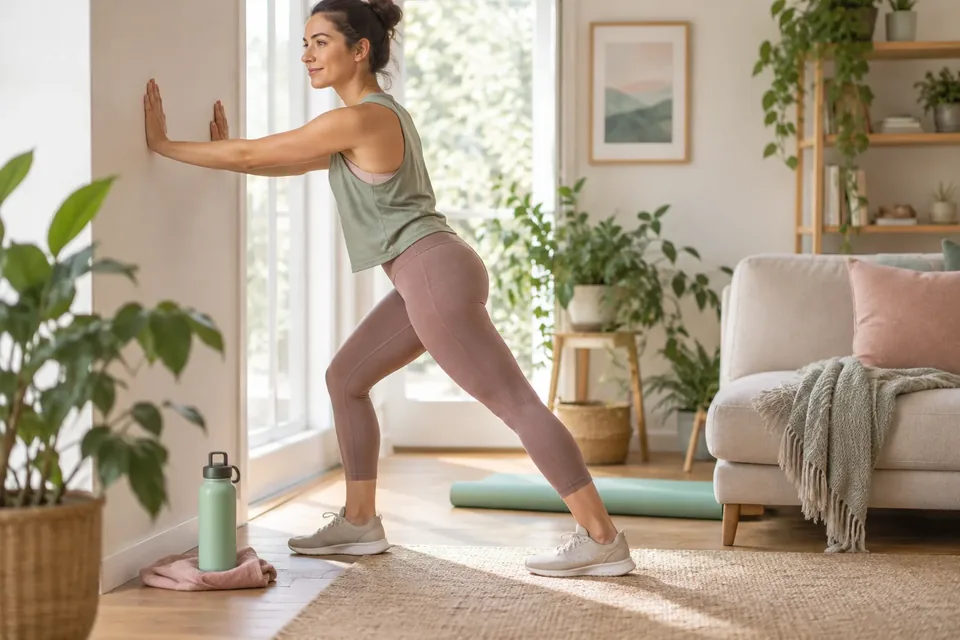
Mild muscle cramps or spasms can occasionally show up during GLP-1 treatment, even though they aren’t among the most common side effects. This happens because GLP-1 medicines can reduce your thirst, and sometimes contribute to dehydration, electrolyte changes, or mild muscle loss—each of which is a classic recipe for muscle cramps according to MedlinePlus and the American Diabetes Association. The good news: most cramps are harmless and there are practical, everyday steps you can take to prevent and relieve them.
Why Muscle Cramps May Happen on GLP-1 Therapy
Muscle cramps are sudden, involuntary contractions—often in the calves, feet, or thighs. While GLP-1 medicines like semaglutide and tirzepatide are best known for causing gastrointestinal symptoms such as nausea or constipation, the changes they trigger in your body can set the stage for occasional mild cramps.
- Dehydration risk: GLP-1 medicines often suppress appetite and thirst, making it surprisingly easy to drink less than your body needs. Dehydration is a well-known trigger for muscle cramps (MedlinePlus).
- Electrolyte shifts: Rapid weight loss, GI side effects (like diarrhea or vomiting), or low fluid intake can disrupt your body’s balance of important minerals—especially potassium, magnesium, and calcium (MedlinePlus).
- Muscle mass changes: If weight loss happens quickly without enough protein or resistance exercise, some loss of lean muscle mass can occur, which may also increase the risk for cramps (PMC).
No large clinical trial has directly linked GLP-1 medicines to muscle cramps, but these indirect factors—dehydration, electrolyte imbalance, and muscle changes—are all plausible culprits.
Everyday Relief: What to Do When a Cramp Hits
If you feel a muscle cramp coming on, try these simple steps for relief:
- Gently stretch the muscle: For calf cramps, flex your foot upward toward your knee. For thigh cramps, gently bend and extend your leg. Stretching is the most effective immediate remedy (BMJ Best Practice).
- Massage the area: Rubbing the cramped muscle can help it relax.
- Apply heat: A warm towel or heating pad may ease tightness. If there’s soreness after, a cold pack can reduce residual pain (MedlinePlus).
Prevention: Building Habits to Reduce Muscle Cramps
1. Hydration—Your First Defense
Staying well-hydrated is the most important thing you can do to prevent muscle cramps, especially with GLP-1 therapies that can dull your thirst. Here’s how to make it easier:
- Aim for 2–3 liters (8–12 cups) of fluids daily, adjusting for your activity level and tolerance (JAMA Network).
- Sip, don’t chug: Drinking small amounts throughout the day is easier on your stomach and more effective than large volumes at once (Cleveland Clinic).
- Set reminders: Since thirst can be muted, use phone alarms or hydration apps to prompt regular sips (Cleveland Clinic).
- Watch for signs of dehydration: Dark urine, dizziness, or headache can mean you need more fluids.
- Electrolyte boost when needed: If you’re sweating, experiencing cramps, or notice other dehydration signs, adding a pinch of salt to your water or using an electrolyte drink can help. While formal studies in GLP-1 users are limited, this is a common practice and supported by anecdotal reports (Reddit).
For more on hydration, see Hydration on GLP-1.
2. Nutrition: Prioritize Protein and Balanced Meals
- Get enough protein: Aim for 1.0–1.6 grams of protein per kilogram of body weight daily (about 20–30 grams per meal), from sources like lean meats, fish, eggs, dairy, legumes, or protein shakes (JAMA Network).
- Small, easy-to-digest meals: Especially during the first weeks of therapy, smaller meals that are lower in fat can help reduce GI side effects and support overall nutrition (PMC).
- Increase fiber slowly: Add fruits, vegetables, and whole grains gradually to avoid bloating, and drink extra water as you do (PMC).
- Consider nutritional supplements: Some evidence suggests that leucine-rich proteins, HMB, or creatine may help preserve muscle during rapid weight loss, but these strategies are still emerging and best discussed with your clinician (UC Davis).
Hungry for more practical food ideas? Easy At-Home Protein Snacks for GLP-1 can help.
3. Movement and Stretching: Keep Muscles Flexible
- Regular stretching: Add gentle stretches for your calves, thighs, and feet into your morning or evening routine. This helps reduce cramp frequency (MedlinePlus).
- Strength training: Try to include resistance exercises 2–3 times per week to maintain muscle mass and reduce cramp risk (University of Rochester Medicine).
- Stay active: Even light activity like walking can keep circulation up and muscles healthy. For more ideas, see GLP-1 Exercise Routines.
4. Track Your Symptoms
If you notice cramps, jot down when they occur, what you were doing, and what you’d eaten or drunk that day. Logging these patterns in an app like GLPily can make it easier to discuss any concerns with your clinician and spot helpful trends. Learn more about tracking GLP-1 side effects.
When to Seek Medical Advice
Most mild muscle cramps are harmless and pass quickly. However, call your clinician promptly if you experience:
- Severe, persistent, or frequent cramps
- Muscle weakness or swelling
- Cramps along with vomiting, confusion, or trouble breathing
These could signal a more serious electrolyte imbalance or another underlying issue needing urgent care.
What We Still Don’t Know
There’s no direct clinical trial evidence linking GLP-1 medicines with increased muscle cramps, and most advice is based on known side effect patterns and risk factors like dehydration or muscle loss. Electrolyte supplementation is widely used but not rigorously tested in this specific group. More research is needed to confirm the best strategies for prevention and relief.
Everyday Prevention at a Glance
| Strategy | Details |
|---|---|
| Hydration | 2–3 liters/day, sip often, reminders |
| Protein Intake | 1.0–1.6 g/kg/day, 20–30 g/meal |
| Gentle Stretching | Daily for at-risk muscles |
| Acute Cramp Relief | Stretch, massage, apply heat |
| Electrolytes | As needed if sweating or dehydrated |
| Small Meals & Fiber | Small, low-fat, gradual fiber increase |
Mild muscle cramps can be frustrating, but with a few mindful habits—hydration, balanced nutrition, and movement—you can keep them under control and stay focused on your health goals.
Sources and further reading
- MedlinePlus: Muscle Spasms | Charley Horse
- MedlinePlus: Muscle cramps: Medical Encyclopedia
- JAMA Network: I Am Taking a GLP-1 Weight-Loss Medication—What Should I Know?
- Health Matters, University of Rochester: Nutrition Counseling While Taking GLP-1s
- PMC: Dietary Strategies and Nutritional Management in Patients Receiving GLP‐1 and Dual GIP/GLP‐1 Receptor Agonists
- BMJ Best Practice US: Muscle cramps - Symptoms, diagnosis and treatment
- Reddit: Has anyone developed really bad nighttime leg cramps since starting mounjaro?
- PMC: Nutrition-First Support for GLP-1 and Dual Incretin Therapy in Obesity
This article is general education, not medical advice, and hasn’t replaced a conversation with your prescriber. Never change, skip or stop a medicine based on an article or an app. If you have severe or worrying symptoms, get medical help. Written by the GLPily Editorial Team from the sources listed above.
Make your GLP-1 journey easier to track 💚
Keep your shots, weight, food, water and symptom notes together with GLPily, and meet Pily, the little coach who answers from your own logs.


- Shot tracking
- Water & symptoms
- Weight trends
- Journal
- Food scanner
- Progress photos