
- Blog
- Side Effects & Safety
- How to Stay Hydrated When Water Tastes ‘Off’ on GLP-1s
How to Stay Hydrated When Water Tastes ‘Off’ on GLP-1s
If water suddenly tastes strange while taking GLP-1 medications, you’re not alone. Discover practical ways to make hydration easier and more enjoyable, from flavor infusions to alternative drinks.
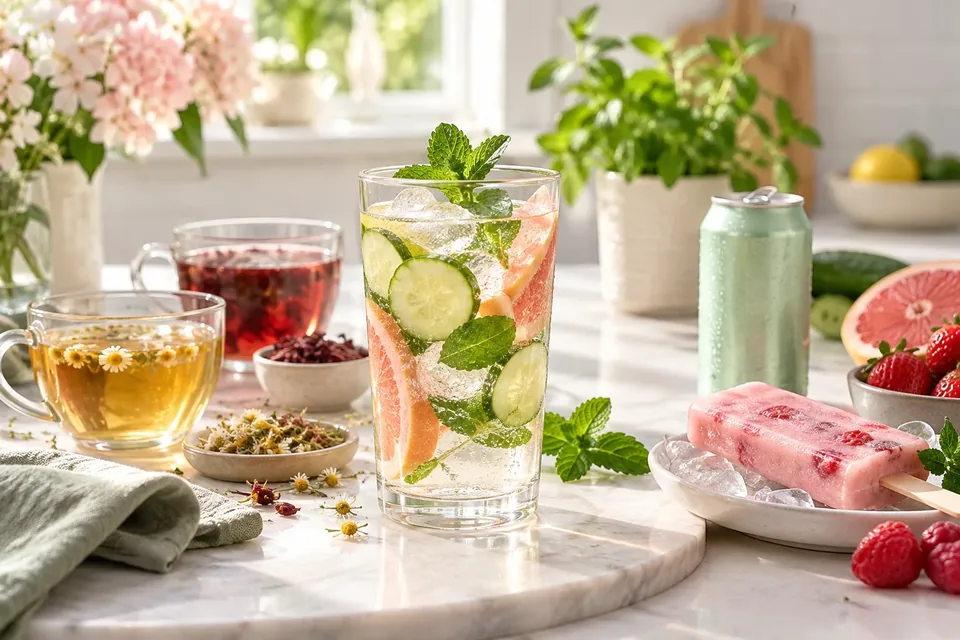
If plain water tastes odd on your GLP-1 medication, you’re not imagining it—and you’re definitely not alone. Many people on GLP-1s find water suddenly unappealing or even nauseating, but hydration remains essential for feeling your best and managing side effects.
Why Hydration Is Extra Important on GLP-1s
GLP-1 medications can blunt both hunger and thirst signals, so you may not feel as thirsty as usual—even if your body needs fluids. According to GLP-1 Nutrition, dehydration can worsen constipation, nausea, and fatigue, and may even affect your kidney health, especially during active weight loss (GLP-1 Nutrition).
Most clinical guidance encourages about 2 to 3 liters (8–12 cups) of fluids daily, with adjustments for your size, climate, and activity (JAMA Internal Medicine Patient Page). But if the taste or smell of water turns you off, reaching even the minimum can feel like an uphill battle.
Why Does Water Taste Different on GLP-1s?
Some people on GLP-1s notice changes in taste or smell, making water taste metallic, bitter, or just “off.” While the exact reason isn’t fully understood, these changes are often temporary and may fluctuate with your medication dose or how your body adapts (GLP-1 Nutrition).
Flavor Tricks: Making Water More Appealing
Infuse With Fruit, Herbs, or Spices
- Add slices of lemon, lime, orange, or cucumber.
- Try fresh mint, basil, ginger, or a few berries.
- Let your infusion chill in the fridge for a stronger flavor.
Natural infusions add taste with virtually no calories, and the variety can keep things interesting (Cleveland Clinic).
Flavored Water Drops, Powders, and Bottles
- Subtle flavor products like Hint Water, Cirkul, or Air Up offer a gentle taste that many find easier to drink (UW Medicine).
- WaterTok-inspired recipes (using sugar-free syrups or powders) can help, but watch for artificial sweeteners if you’re sensitive (Cleveland Clinic).
Add a Pinch of Salt or Citrus
- A tiny squeeze of lemon or lime, or even a pinch of salt, can mask unpleasant flavors and may gently boost your desire to drink (AARP).
Play With Temperature: Cold, Hot, or Room Temp?
Temperature can dramatically change your drinking experience:
- Icy water may feel soothing and less likely to trigger nausea.
- Some people find hot or warm water (with lemon or ginger) more palatable.
- Experiment to find what feels best at different times of day—your preference may change.
Sipping small amounts between meals is often easier than drinking large amounts at once, especially if you experience fullness or reflux (PMC).
Go Beyond Water: Alternative Hydrating Drinks
If water just isn’t working, you have options:
- Herbal teas (hot or iced, unsweetened)
- Sparkling or seltzer water (unsweetened or naturally flavored)
- Infused broths (vegetable, chicken, or bone broth—watch sodium if needed)
- Diluted fruit juice (mostly water with a splash of juice)
- Low-calorie milk, protein shakes, or diet soda (in moderation)
- Popsicles or smoothies (homemade, low sugar)
People on GLP-1s often report that broths and warm beverages are comforting and easier to sip when nothing else appeals (Reddit: TirzepatideRX). Popsicles and smoothies can count toward your fluid intake, especially on days when solid foods are harder.
For more ideas, see our guide to hydration on GLP-1s and constipation on GLP-1.
Electrolyte Mixes: When and How to Use Them
Electrolyte powders or drinks can make hydration more enjoyable and help replenish what you lose, especially if you’re sweating, vomiting, or dealing with significant diarrhea. However, for most people with normal kidney function, routine electrolyte drinks aren’t necessary unless you’re losing a lot of fluids (GLP-1 Nutrition).
Choose lightly flavored options with balanced sodium and potassium if you use them, and avoid mixes with high sugar or excessive sodium. Some people prefer coconut water–based or natural ingredient mixes (Marie Claire).
Real-World Tips From the GLP-1 Community
- Add salt and lemon for a taste boost.
- Dilute fruit juice with lots of water for a gentle flavor.
- Try carbonated water if plain water feels too heavy or unappealing (Reddit: Ozempic).
- Track your intake—large, visible water bottles or hydration reminders can help you remember to sip throughout the day (Reddit: GLP1_loss100plus).
- Count all fluids: Herbal teas, broths, and popsicles all help meet your daily goal (Reddit: Glp1meals).
Logging your symptoms and hydration in an app like GLPily can help you spot patterns and have more informed conversations with your clinician if you’re struggling.
What’s Still Unclear
There’s no single “best” hydration strategy for everyone on GLP-1s. Most advice is based on expert consensus, patient experience, and practical nutrition guidance, rather than large clinical trials (ScienceDirect). The long-term effects of regular flavored water or sweetener use in this context aren’t fully understood, and the optimal balance of electrolytes for GLP-1 users remains uncertain (GLP-1 Nutrition).
If you experience intense nausea, vomiting, severe dizziness, or signs of dehydration (like very dark urine, confusion, or rapid heartbeat), contact your clinician promptly.
Key Takeaways
- Hydration matters on GLP-1s—don’t rely on thirst alone.
- Use flavor infusions, temperature changes, and alternative drinks to make fluids more appealing.
- Electrolyte mixes and broths can help, but are usually not essential unless you’re losing extra fluids.
- Track what works for you, and talk to your clinician about persistent issues.
For more on taste changes, see food taste and smell changes on GLP-1, and for support with nausea, visit nausea on GLP-1.
Sources and further reading
- GLP-1 Nutrition: Dehydration and electrolyte attention on GLP-1
- Cleveland Clinic: WaterTok—Are These ‘Water Recipes’ Healthy?
- UW Medicine: Hydrating Liquids Patient Education
- AARP: What to Eat and Avoid When Taking Weight Loss Medications
- Reddit: Having a very hard time staying hydrated
- Reddit: Alternatives to plain water
This article is general education, not medical advice, and hasn’t replaced a conversation with your prescriber. Never change, skip or stop a medicine based on an article or an app. If you have severe or worrying symptoms, get medical help. Written by the GLPily Editorial Team from the sources listed above.
Make your GLP-1 journey easier to track 💚
Keep your shots, weight, food, water and symptom notes together with GLPily, and meet Pily, the little coach who answers from your own logs.


- Shot tracking
- Water & symptoms
- Weight trends
- Journal
- Food scanner
- Progress photos