
Traveling With GLP-1 Medication: Storage and Planning Questions
Travel can complicate medicine storage, timing and supply. Learn what to check in your own product leaflet, at airport security and abroad before your trip.
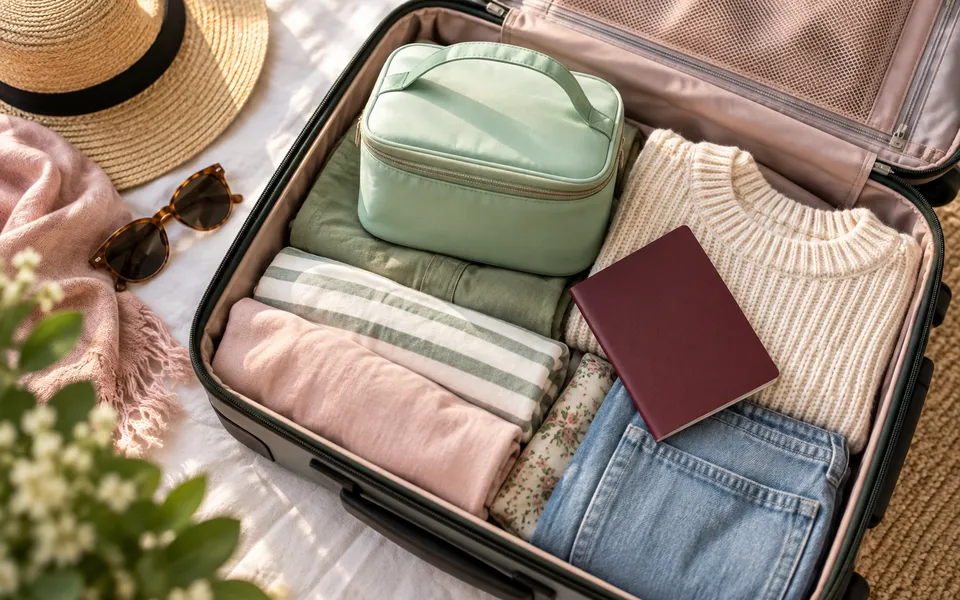
Travel adds a few extra questions to a medication routine: storage, time zones, supplies, airport screening and what to do if a dose gets delayed. The answers are product-specific, so use the official leaflet for the exact medicine you carry. Pens, vials and tablets don't all share the same temperature limits, refrigeration rules or how long they can stay out of the fridge once in use.
Check storage before you pack
Read the storage section of your product's current instructions: temperature ranges for unopened and in-use products, protection from light and freezing, and how long it can stay outside its usual storage. If you think your medicine may have been exposed to excessive heat or freezing, ask a pharmacist before using it. Don't rely on a cooler hack from social media that contradicts the label.
Keep essentials accessible
The CDC suggests keeping medicines in their original labeled packaging, carrying them in your hand luggage in case checked bags are delayed or lost, and bringing some extra in case your return is delayed. Practically, that means:
- Pack enough medicine and supplies (needles, sharps container if you use one) for the trip, plus a contingency where possible.
- Carry copies of prescriptions or pharmacy labels, especially across borders.
- In the US, the TSA allows medically necessary liquids in larger amounts than the usual carry-on limit if you declare them at the checkpoint for inspection; the final decision rests with the officer.
- For international trips, check the rules of your destination—and any layover countries—for bringing prescription medicines. The CDC recommends checking with the relevant embassy and, for injectable medicines, asking your prescriber for a letter.
Store medicine safely away from children, and don't leave it in a hot car.
Time zones and missed doses
Changing time zones can make a weekly or daily routine confusing. Follow your product's own schedule and missed-dose instructions—they differ between medicines (see why missed-dose instructions differ)—and ask your pharmacist or prescriber in advance if timing will be awkward. Don't take extra medicine to "catch up" or move doses closer together based on a travel blog.
What if the trip changes unexpectedly?
If a dose is delayed, the medicine is lost, or storage may have been compromised, contact a pharmacist or your prescribing service for guidance on your exact product. If you get sick while away—repeated vomiting, severe stomach pain or signs of dehydration such as dizziness and very little urine—get medical care rather than focusing only on the next dose. Travel days can also make it easy to drink less, so hydration habits are worth planning for.
The best travel plan is boring in a good way: check the label, carry documentation, protect the medicine as directed and know who to call with questions. A tracker can help you keep dose dates and notes straight across time zones, but it can't tell you whether a temperature-exposed product is still safe—that's a pharmacist question.
Sources and further reading
GLPily is a tracking companion, not a medical device, and doesn’t provide medical advice. Written by the GLPily Editorial Team from the sources listed above.
Make your GLP-1 journey easier to track 💚
Keep your shots, weight, food, water and symptom notes together with GLPily, and meet Pily, the little coach who answers from your own logs.


- Shot tracking
- Water & symptoms
- Weight trends
- Journal
- Food scanner
- Progress photos