
GLP-1s and Protein for Vegetarians & Vegans: Real-World Solutions
Plant-based eaters on GLP-1s face unique protein challenges. Here’s how to meet your needs with practical meal ideas, shopping tips, and real-world solutions.
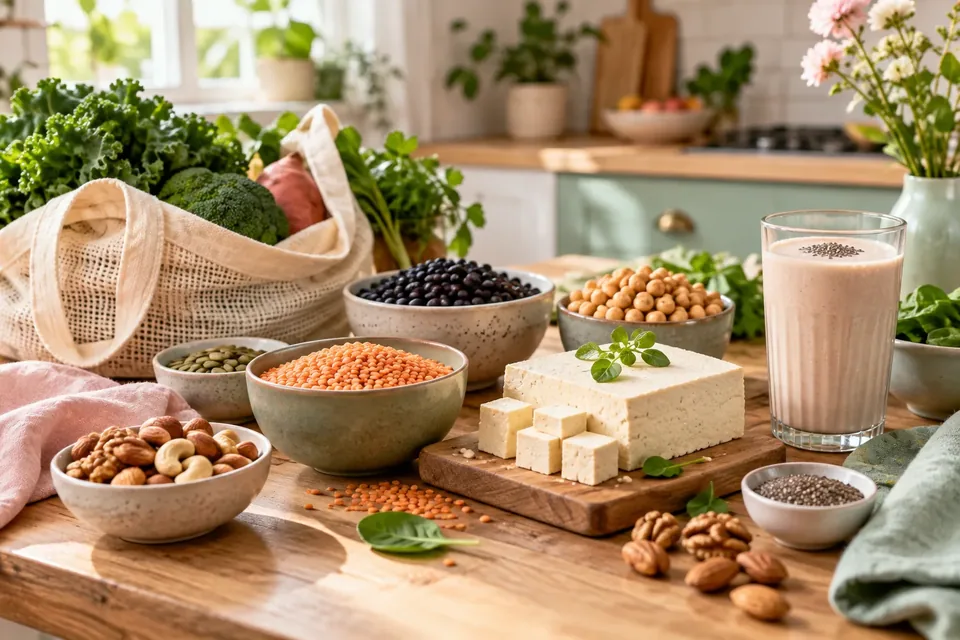
GLP-1 medications can make it tough to eat enough protein—especially if you’re vegetarian or vegan. Appetite suppression, early fullness, and changes in food preferences are common. But with planning and the right foods, you can still meet your protein needs and protect your muscle mass, even on a plant-based diet.
Why Protein Matters on GLP-1s—And Why It’s Harder Plant-Based
GLP-1 receptor agonists (and similar medicines) work by reducing appetite and slowing how fast food leaves your stomach. This can make you feel full quickly and eat less overall (PubMed: Medical nutrition in the GLP-1 era). For anyone, this means you risk not getting enough protein. For vegetarians and vegans, it’s even trickier: plant proteins are often less concentrated, less digestible, and lower in leucine (a key amino acid for muscle health) than animal proteins (Mintflow Nutrition: Vegan and Vegetarian on a GLP-1).
Losing weight with GLP-1s often means losing some muscle (lean mass) as well as fat. To help protect your muscles, most clinical nutrition reviews recommend aiming for 1.2–1.6 grams of protein per kilogram of body weight per day. If you’re moderately active, 1.0–1.5 g/kg/day is a reasonable range (JAMA Internal Medicine: Lifestyle Behaviors).
The "Protein-First" Approach for Plant-Based Eaters
Because you might fill up fast, it helps to eat the most protein-dense part of your meal first. This “protein-first” approach is recommended by nutrition reviews and can help you hit your targets before you feel full (PMC: Micronutrient risk with GLP-1).
- Per meal: Aim for 20–30 grams of protein, ideally with 2.5–3 grams of leucine. That’s about 0.3–0.4 g protein per kg of body weight per meal (PubMed: Medical nutrition in the GLP-1 era).
- If you can’t finish a full meal: Spread your protein intake across several small meals or snacks.
- If solid food is hard: Protein shakes (≥20 g protein/serving) are a practical option (JAMA Internal Medicine).
Protein-Dense Plant Foods That Work (Even With Low Appetite)
Plant proteins can be bulky, which is a challenge if you get full quickly. To get more protein with less volume, focus on these options:
- Soy products: Tofu, tempeh, and soy-based meat alternatives (like Impossible or Gardein) pack 19–22 g protein per serving (Reddit: Vegetarians on GLP1).
- Legumes: Lentils, chickpeas, black beans, and edamame are filling and rich in protein. Combine them with grains for a complete amino acid profile (Healthline: How To Get Enough Protein On A GLP-1).
- Protein-fortified foods: Look for plant-based protein shakes, bars, or yogurts with added protein—these can be easier to get down when you’re not hungry (PMC: Nutritional Priorities).
- Nuts, seeds, and nut butters: Almonds, peanuts, pumpkin seeds, and their butters are calorie-dense and protein-rich, making them useful for small-portion snacking (PMC: Nutritional Priorities).
You can find more snack ideas in our easy-at-home-protein-snacks-glp-1 guide.
Practical Meal and Snack Ideas
Here are some real-world, plant-based meal combos that fit the protein-first approach:
- Breakfast: Silken tofu smoothie (tofu + plant milk + frozen fruit + peanut butter + protein powder)
- Lunch: Lentil and edamame salad with pumpkin seeds and a tahini dressing
- Dinner: Stir-fried tempeh and broccoli over quinoa, with a side of roasted chickpeas
- Snacks: Roasted soy nuts, protein bars, or a shake
If you find it tough to finish large meals, try smaller, more frequent eating windows—like three mini-meals and two snacks instead of three big meals (Mayo Clinic Diet: Protein Balance for GLP-1s).
Shopping Tips for Protein on a Plant-Based GLP-1 Diet
- Read labels: Check protein per serving—aim for 10–20 g per portion in packaged foods or shakes.
- Stock up on shelf-stable options: Canned beans, dry lentils, protein bars, and shelf-stable plant milks are convenient.
- Try new products: Many supermarkets carry high-protein tofu, tempeh, and plant-based deli slices. Experiment to find what you tolerate best.
- Keep nut butters and seeds handy: They work as quick add-ons to oatmeal, toast, or smoothies.
For more, see our glp-1-grocery-list for plant-based shopping inspiration.
Watch Out for Micronutrient Gaps
GLP-1 medications can make it harder to get enough iron, B12, folate, zinc, vitamin D, and thiamine—especially on a vegetarian or vegan diet (PubMed: Medical nutrition in the GLP-1 era). If you notice fatigue, hair loss, or new symptoms, talk to your clinician about checking labs. Supplements may be needed, but should be tailored to your needs.
Resistance Training: Double Protection for Your Muscles
Getting enough protein is only part of the picture. Adding resistance or strength training—like bodyweight exercises, bands, or weights—can help you keep more muscle as you lose weight (PMC: Nutritional Priorities).
If you’re new to this, start small and build up. Even 2–3 sessions a week can make a difference. For more tips, see our glp-1-strength-training-muscle guide.
What’s Still Uncertain?
Research is ongoing about the best ways to combine plant proteins for optimal muscle health during GLP-1 therapy. There’s still uncertainty about exactly how much leucine you need per meal, and whether long-term lower protein intake on GLP-1s leads to frailty or weakness (PubMed: Risk of protein intake deficiency).
Bottom Line
A vegetarian or vegan diet can absolutely work during GLP-1 therapy, but it takes some extra planning. Focus on protein-dense foods, start meals with protein, spread your intake across the day, and use shakes or fortified products if needed. Keep an eye on possible micronutrient gaps, and remember that tracking your symptoms and intake in an app like GLPily can help you and your clinician spot issues early.
If you’re struggling with appetite or meal planning, bring a log of your daily protein and symptoms to your next appointment. Your care team can help adjust your plan or recommend specific supplements.
Your plant-based journey on GLP-1s is doable—with a little creativity and support.
Sources and further reading
- PubMed: Medical nutrition in the GLP-1 era
- PMC: Micronutrient risk with GLP-1
- JAMA Internal Medicine: Lifestyle Behaviors
- Mintflow Nutrition: Vegan and Vegetarian on a GLP-1
- Healthline: How To Get Enough Protein On A GLP-1
- PMC: Nutritional Priorities
- Reddit: Vegetarians on GLP1
- Mayo Clinic Diet: Protein Balance for GLP-1s
This article is general education, not medical advice, and hasn’t replaced a conversation with your prescriber. Never change, skip or stop a medicine based on an article or an app. If you have severe or worrying symptoms, get medical help. Written by the GLPily Editorial Team from the sources listed above.
Make your GLP-1 journey easier to track 💚
Keep your shots, weight, food, water and symptom notes together with GLPily, and meet Pily, the little coach who answers from your own logs.


- Shot tracking
- Water & symptoms
- Weight trends
- Journal
- Food scanner
- Progress photos