
GLP-1 Medication List for Urgent Care: A Wallet and Phone Guide
When you walk into urgent care with stomach pain or vomiting, the words 'weekly GLP-1, last dose Sunday' can change what the clinician checks first. Here's a wallet card to copy and how to put it on your phone's lock screen.
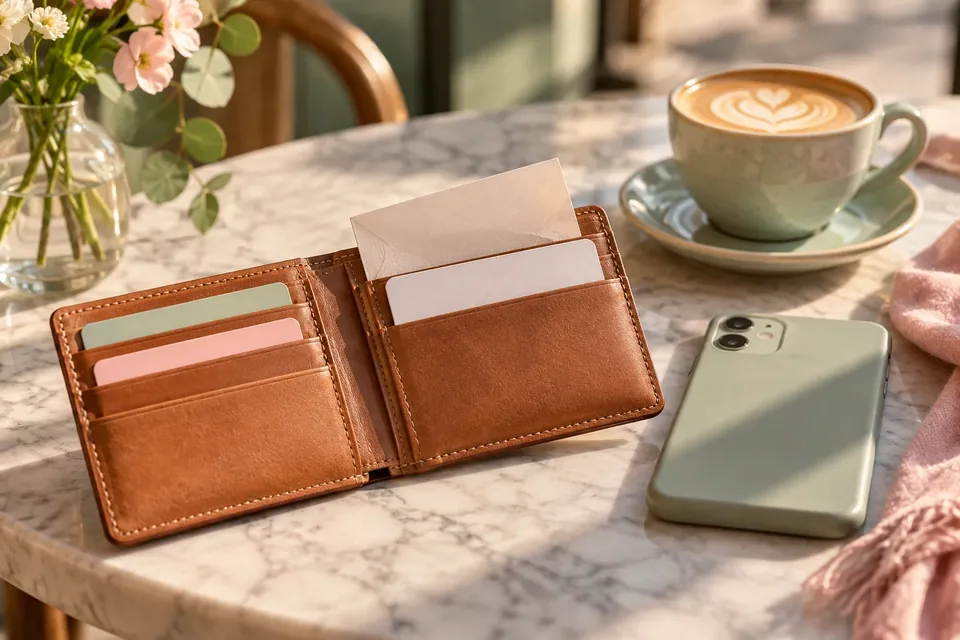
A medication list for urgent care should fit in your wallet and on your phone's lock screen. If you take a GLP-1, it needs four things: the exact product, the strength, how often you take it, and when you last took it. The FDA recommends that everyone keep a current medication list with them at all times, including a photo on your phone or a paper copy next to your insurance card, because in an emergency it helps clinicians even when you can't answer questions.
This guide is about unplanned visits, like urgent care, the ER or an ambulance ride. Planning for a scheduled surgery is a separate job with its own pre-op checklist.
Why your GLP-1 matters at urgent care
Picture it: it's 11 p.m., you have sharp upper-belly pain and you've vomited three times. The triage nurse asks, "Any medications?" You say "just my blood pressure pill." The pen in your fridge doesn't come to mind because you only use it on Sundays.
That missing detail matters. The prescribing information for GLP-1 medicines lists warnings that overlap with common reasons people end up at urgent care. The Zepbound label, for example, has warning sections for:
- Severe gastrointestinal reactions (nausea, vomiting, diarrhea)
- Acute kidney injury from fluid loss, linked to vomiting and diarrhea
- Acute gallbladder disease
- Acute pancreatitis
- Hypoglycemia, especially alongside insulin or sulfonylureas
- Pulmonary aspiration under general anesthesia or deep sedation, relevant if the ER needs to sedate you
"Weekly GLP-1, strength increased two weeks ago, last dose Sunday" helps the clinician decide what to check first. It doesn't mean the medicine caused your problem. It means they get to consider it.
There's also a timing reason. These medicines stay in your body for days. The tirzepatide label gives a half-life of about five days, so "I stopped yesterday" doesn't mean it's gone. The label also notes that slower stomach emptying can affect how other oral medicines are absorbed, which matters if the visit ends with a new prescription.
What to put on an emergency medication list
The FDA's consumer guidance says to include emergency contacts, allergies and, for every prescription, over-the-counter medicine, vitamin and supplement, its name, strength, what it's for, and when and how you take it. For a GLP-1, add:
- Brand and ingredient, e.g., "Mounjaro (tirzepatide)."
- Strength and form: "5 mg weekly injection" or "14 mg daily tablet."
- Usual dose day and last dose date.
- Date of the last strength increase. Side effects are more common during dose escalation.
- Brand or compounded. If compounded, write the concentration printed on the vial. Compounded products aren't FDA-approved, and units can be confusing.
- Other glucose-lowering medicines. Insulin plus a GLP-1 is a combination clinicians will want to know about.
Skip what doesn't help in an emergency: your goal weight, your pharmacy coupon, the story of your insurance appeal.
Copy this wallet card
Print it, fold it in half and put it next to your insurance card. Keep it short enough to read in ten seconds.
| MY MEDICATIONS (updated: //______) | |
|---|---|
| Name / DOB | |
| Emergency contact (name, phone) | |
| Allergies (and reaction) | |
| Conditions | |
| GLP-1: brand / ingredient | |
| Strength / weekly or daily / injection or tablet | |
| Usual dose day · last dose date | |
| Last strength increase · brand or compounded | |
| Other medicine 1 (name, strength, how often) | |
| Other medicine 2 | |
| Other medicine 3 | |
| Supplements / OTC | |
| Prescriber (phone) · Pharmacy (phone) |
The FDA also suggests sharing your list with a trusted relative, friend or caregiver who might speak for you, and keeping a separate list for each family member.
How to put your medication list on your phone
A paper card can get left in another bag. A lock-screen entry can't, as long as you have your phone.
iPhone (Health app Medical ID)
- Open Health and tap your profile picture at the top.
- Tap Medical ID, then Edit.
- Fill in fields such as Medications, Allergies and Conditions, and add Emergency Contacts.
- Turn on Show When Locked. Apple says this lets responders see your Medical ID from the Lock Screen without your passcode.
- Optionally turn on Share During Emergency Call so your Medical ID is sent automatically when you call or text emergency services (not available in every region).
Someone helping you can reach it from the Lock Screen by tapping Emergency, then Medical ID.
Android (Safety app)
- Open the Safety app (called Personal Safety on some phones).
- Tap Your info, then Medical information.
- Add medications, allergies and other details.
- Under Emergency info access, choose Show when locked.
To view it: swipe up on the lock screen, tap Emergency, then View emergency info. Menu names vary by phone maker and Android version.
A privacy note: both Apple and Google point out that lock-screen info is visible to anyone holding your phone. You decide how much to show. "GLP-1 medicine (semaglutide), weekly" is enough for a responder. If you share a phone or prefer to keep it private, the wallet card may suit you better (see our post on GLP-1 apps on a shared phone).
GLPily's shot log keeps your dose dates and strength changes in one place, which makes updating the card quicker. It doesn't replace the card or your phone's Medical ID, because nobody at urgent care will open a tracking app.
Keep the list current: three triggers
- Strength changes. Update the card the day your new pen arrives.
- Any new prescription or supplement. The FDA specifically says to update the list whenever you start, change or stop a medicine.
- Before travel. A trip is when you're most likely to end up at an unfamiliar clinic. Our travel guide covers the rest of the packing list.
When to skip urgent care and call 911
Urgent care is for problems that can't wait but aren't life-threatening. Call 911 for trouble breathing, chest pain, fainting, confusion, or severe symptoms that are getting worse quickly. For a suspected medication overdose or dosing error, GLP-1 labels point to the Poison Help Line, 1-800-222-1222. Our post on taking the wrong amount explains what happens next. For severe vomiting or abdominal pain, see our guides to vomiting warning signs and pancreatitis.
Common questions
Do I need to list my GLP-1 if the urgent care visit seems unrelated, like a sprained ankle?
Yes. You may need pain medicine, a new prescription or sedation to set a bone, and clinicians check every new prescription against your current medicines. Listing everything every time is the habit that protects you.
Is a photo of my pen or box good enough?
It's a decent backup. The FDA mentions a smartphone photo as one option. But a photo won't show your last dose date or other medicines, so a written list is better.
Should my list say why I take the GLP-1?
The FDA recommends noting what each medicine is for. "Type 2 diabetes" vs "weight management" can change how a clinician reads your blood sugar or symptoms.
How often should I review the card?
Whenever a medicine changes, and at least each time you see your prescriber. Write the date at the top so anyone reading it knows how current it is.
Sources and further reading
GLPily is a tracking companion, not a medical device, and doesn’t provide medical advice. Written by the GLPily Editorial Team from the sources listed above.
Make your GLP-1 journey easier to track 💚
Keep your shots, weight, food, water and symptom notes together with GLPily, and meet Pily, the little coach who answers from your own logs.


- Shot tracking
- Water & symptoms
- Weight trends
- Journal
- Food scanner
- Progress photos