
GLP-1 Budgeting Tips: Meal Planning, Groceries, and Everyday Costs
Learn how GLP-1 users are saving on groceries and dining out, plus practical meal planning and shopping strategies to stretch your budget while managing medication costs.
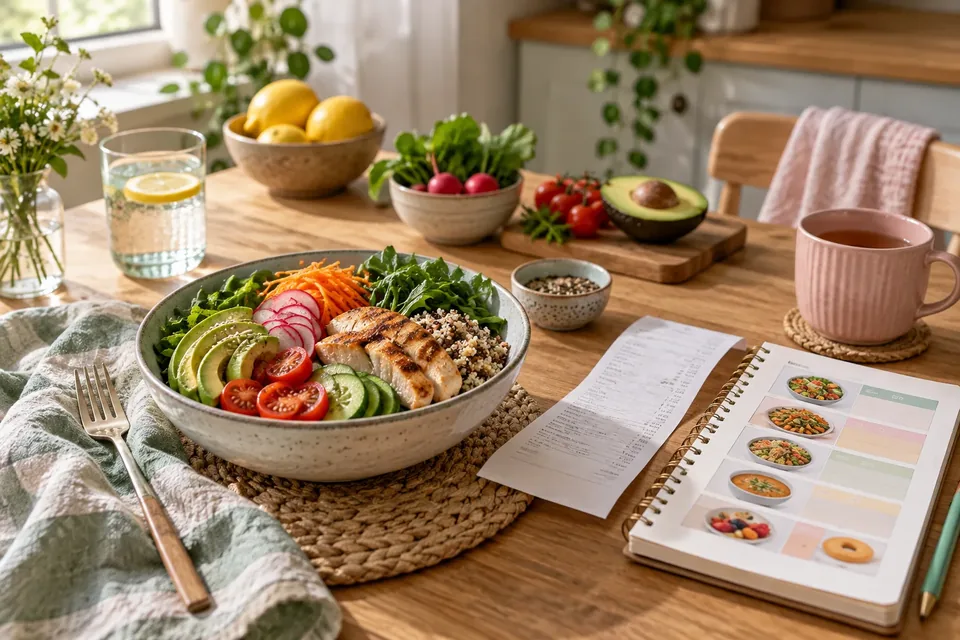
If you’ve noticed your grocery bill shrinking since starting a GLP-1 medication, you’re not alone. Research shows most GLP-1 users spend less on food—sometimes enough to offset part of their medication cost—especially by changing how they shop, meal prep, and eat out. Here’s how the numbers add up, plus practical, budget-friendly tips for managing everyday costs with a GLP-1 routine.
How GLP-1 Medicines Change Food Spending
Multiple studies using real-world purchase data and surveys have found that people on GLP-1 medicines like semaglutide and tirzepatide typically spend less on groceries and dining out. Within six months of starting a GLP-1, U.S. households saw their grocery spending drop by an average of 5.3%, and their spending at restaurants and fast food fell by about 8%, according to a 2025 analysis of transaction data from about 150,000 households (Cornell Chronicle, 2025). These savings continued, though slightly less, through the first year (Economics Observatory).
The effect isn’t the same for everyone. Higher-income households (over $125,000/year) saw average reductions of about 8.2% (roughly $700 a year), while lower-income households saved about 3.9% (about $260 a year). Some of this comes from buying fewer items or smaller portions, but it can also involve shifting to different types of foods (Economics Observatory).
Self-reported surveys echo these trends, with GLP-1 users claiming up to 31% less spent on groceries and more than 60% less on takeout and dining out (KPMG, 2024). However, these numbers may be influenced by recall bias, so actual savings may be lower on average.
Can Food Savings Offset GLP-1 Medication Costs?
For many, the savings at the grocery store and restaurants help soften the financial impact of GLP-1 medications. In a survey-based study, the median monthly savings on food (about $145.77) offset a significant portion of the typical monthly out-of-pocket medication cost (about $175.40) (Choices Magazine, 2024). Some users, especially those who previously spent a lot on takeout or eating out, found their food budget savings more than covered the new medication expense.
Still, out-of-pocket costs for GLP-1 medicines vary widely. As of October 2026, compounded versions of semaglutide have a median cash price of $199/month, ranging from $125 to $299, while tirzepatide ranges from $161 to $399 (MatchScript, Metabolic Ledger). Branded versions can be much higher, sometimes over $1,000/month for those without insurance (KPMG, 2024). Recent price cuts by manufacturers haven’t always reached cash-paying consumers (Axios, Feb 2026).
How GLP-1 Use Changes What Goes in the Cart
GLP-1 users don’t just spend less—they also change what they buy. Surveys from 2026 show people on GLP-1 medicines plan to spend about 15% more on fruits and vegetables and 11% more on high-protein foods, while cutting back on candy, prepared frozen sides, salty snacks, alcohol, and soft drinks (BCG, 2026). This means the grocery list gets healthier, but it can also mean spending more per item, even as total volume goes down.
Some users report redirecting savings into supplements or higher-quality protein, while others simply pocket the difference. These shifts are individual and may not last forever, but the trend toward more nutrient-dense, less processed foods is clear.
Budget-Friendly Meal Planning for GLP-1 Routines
A smaller appetite means you may need less food overall, but it’s still important to get enough protein, fiber, and other nutrients. Here are proven strategies from GLP-1 users and nutrition guides to help you save money while eating well:
1. Meal Prep and Batch Cooking
Planning meals and prepping ingredients ahead of time can reduce impulse spending and food waste. Healthline recommends starting each week by checking your pantry, making a grocery list, and prepping basic proteins, grains, and vegetables in advance (Healthline). Batch cooking means you’re less likely to order takeout when energy or appetite is low.
2. Shop Your Pantry First
Before making a list, see what you already have on hand. MayoBook suggests focusing on versatile ingredients—think eggs, beans, oats, and frozen veggies—that can be used in several meals (MayoBook). This avoids buying single-use items that may go to waste.
3. Build a Budget-Friendly Grocery List
A $50/week meal plan is possible, especially if you prioritize affordable staples. One example plan delivers over 200g of protein a week using eggs, chicken thighs, canned tuna, Greek yogurt, oats, beans, and frozen vegetables (Healthy-Weight). Adjust for your region, dietary needs, and preferences.
4. Embrace Frozen and Canned Produce
Frozen and canned vegetables are often cheaper, last longer, and retain most nutrients. Swapping fresh for frozen can stretch your budget without sacrificing quality (MyFitnessPal).
5. Focus on Protein and Fiber
With smaller meals, nutrient density matters more. Affordable, high-protein options include eggs, beans, lentils, canned fish, and Greek yogurt. Whole grains and legumes add fiber, supporting fullness and gut health.
6. Buy Store Brands and Shop Sales
Store-brand items are usually less expensive and often comparable in quality. Plan meals around weekly sales or discounted produce to maximize savings.
7. Reduce Food Waste
GLP-1 users often report smaller appetites and more leftovers. Cook in smaller batches, freeze extras, and use leftovers creatively to avoid throwing food (and money) away.
Everyday Cost Management: What GLP-1 Users Are Doing
Surveys show that many GLP-1 users split their food savings between paying for medication, saving, and investing in other areas of health or self-care (BCG, 2026). Some move spending from takeout to higher-quality groceries or supplements. Others find the overall drop in appetite and food “noise” makes it easier to budget and plan ahead.
Online forums echo these experiences: some users report saving as much as $350/month on food, more than covering their out-of-pocket medication costs (Reddit). Others notice higher spending on protein or specialty products, but still spend less overall due to fewer meals out (Reddit). Individual results vary, but the overall trend is toward more mindful spending.
If you’re tracking your own expenses, logging meals and symptoms in an app like GLPily can help you spot patterns and have more informed conversations with your clinician if budget or nutrition is a concern.
What Remains Uncertain
While the average user sees savings, not everyone’s experience is the same. Regional price differences, dietary preferences, and insurance coverage all play a role. The exact balance between food savings and medication costs will depend on your situation—and on whether generic or lower-cost GLP-1 options become more widely available in the future.
Budget-friendly meal plans and shopping strategies can make a real difference, but it’s important to customize them to your needs, appetite, and health goals. If you have questions about nutrition or costs, discuss them with your clinician or a registered dietitian.
Related reading:
Sources and further reading
- Cornell Chronicle: Ozempic is changing the foods Americans buy
- Economics Observatory: How are weight-loss drugs changing our food shopping?
- KPMG: Getting to know GLP-1 users, a new kind of consumer
- Choices Magazine: Spending Less on Food, but More on Meds
- MatchScript: The GLP-1 Price Index
- Metabolic Ledger: The GLP-1 Price Index
- Healthy-Weight: GLP-1 Grocery List on a Budget: $50/Week Meal Plan
- MyFitnessPal: GLP-1 Grocery List: Budget-Friendly Foods That Hit Your Goal
- MayoBook: The Practical GLP-1 Grocery List for a Balanced Week
- Healthline: GLP-1 Meal Planning and Dining Out: Recipes, Prep, and Tips
GLPily is a tracking companion, not a medical device, and doesn’t provide medical advice. Written by the GLPily Editorial Team from the sources listed above.
Make your GLP-1 journey easier to track 💚
Keep your shots, weight, food, water and symptom notes together with GLPily, and meet Pily, the little coach who answers from your own logs.


- Shot tracking
- Water & symptoms
- Weight trends
- Journal
- Food scanner
- Progress photos