
How to Build a Nighttime Routine That Supports GLP-1 Success
A thoughtful nighttime routine—timing your last meal, choosing smart snacks, and winding down—can make GLP-1 medicines more effective and your evenings more restful.
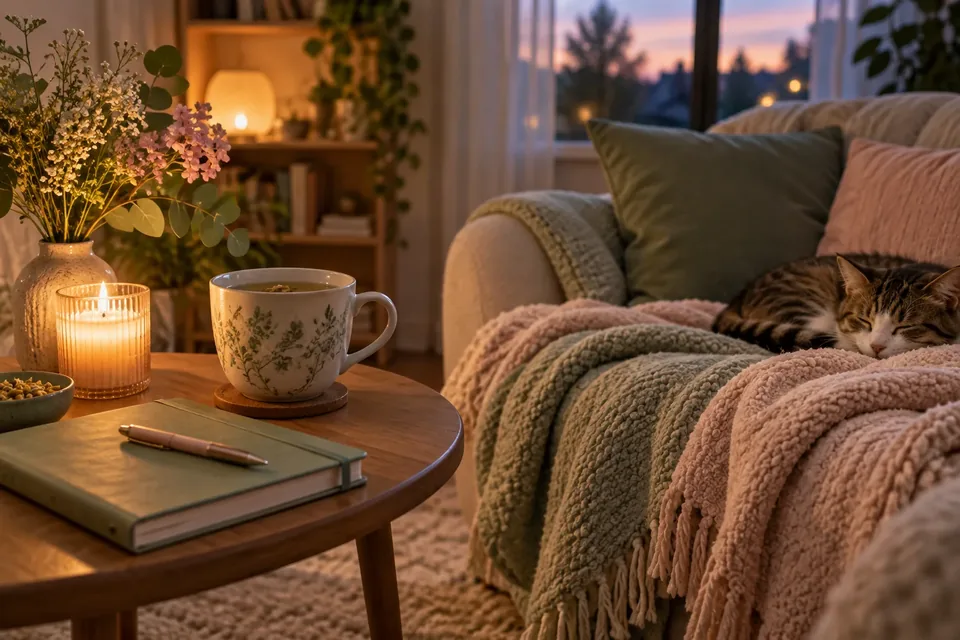
If you’re taking a GLP-1 medicine, how you end your day can make a real difference in how you feel and how well your medication works. A thoughtful nighttime routine—timing your last meal, choosing smart snacks, and winding down—can help minimize side effects, support restful sleep, and set you up for success tomorrow.
Why Nighttime Habits Matter on GLP-1
GLP-1 medicines work best when paired with routines that support your body’s natural rhythms. According to the 2026 AHA/ACC/ADA/ASN guidelines, waiting at least 2 to 3 hours after eating before lying down helps reduce gastrointestinal side effects like nausea and reflux (AHA/ACC/ADA/ASN, 2026). Expert consensus also highlights the importance of not eating too close to bedtime for smoother digestion and fewer overnight symptoms (Expert Consensus, 2022).
Beyond meal timing, evening rituals and sleep quality play a role in how your appetite, energy, and mood respond to GLP-1 therapy. Good sleep habits can help keep your body’s hormones—including those affected by GLP-1—working in your favor (Ohio State Health).
The Ideal Evening Meal Schedule
Timing Your Last Meal
- Finish dinner by 6–7 pm whenever possible.
- Leave at least 2–3 hours between your last bite and bedtime. This window supports digestion and helps prevent symptoms like heartburn or nausea (AHA/ACC/ADA/ASN, 2026, Fueled Framework).
- If your schedule runs late, aim for a lighter meal and avoid lying down soon after eating.
Why It Works
Eating earlier gives your stomach time to empty—a process that GLP-1 medicines can slow down. This reduces the risk of overnight reflux and makes it easier to fall asleep comfortably (Eliana Witchell, RD).
Uncertainty: The optimal timing may vary for each person, especially depending on your digestion and GLP-1 dose. If you notice persistent symptoms, logging your meal and bedtime in an app like GLPily can help you and your clinician spot patterns.
Smart Evening Snacks (If You Need Them)
Some people find their appetite is so suppressed on GLP-1 therapy that they skip evening snacks. Others notice hunger or cravings after dinner, especially if they haven’t eaten enough during the day.
When a snack feels right, the evidence points to protein + fiber combos:
- Greek yogurt with berries
- Apple slices and peanut butter
- Cottage cheese with fruit
- Hummus and veggies
- A boiled egg with whole-grain crackers
These snacks help keep energy stable, avoid spikes in blood sugar, and are less likely to cause reflux (Chase Wellness, Mayo Clinic).
Tip: Plan your snack before you’re hungry, especially if you’ve noticed evening cravings or “food noise.” This reduces the chance of impulsive choices (Chase Wellness).
Evening Rituals: Wind Down for Better Sleep and Results
A calm, screen-free wind-down routine isn’t just about sleep—it can actually support how GLP-1 medicines work with your body. High stress and poor sleep can interfere with appetite regulation and make side effects worse (Pause RX).
Evidence-backed wind-down habits include:
- Dimming lights an hour before bed to cue your body for sleep
- Journaling, reading, or gentle stretching instead of screens
- Consistent bedtime—try to go to sleep and wake up at the same times daily
- Short post-dinner walks to support digestion (ZivoLabs)
The “3-2-1 rule” (finish dinner 3 hours before bed, stop screens 2 hours before, and start bedtime routine 1 hour before) is recommended by sleep experts to reduce middle-of-the-night wakings—even if not GLP-1-specific (Tom’s Guide).
Aligning Meals and Sleep With Your Body Clock
Your body’s natural circadian rhythm influences hormones that affect hunger, fullness, and how your GLP-1 medication works. Consistent meal and sleep times help keep these rhythms steady (Ohio State Health).
A 2026 review suggests that aligning meals, sleep, and even light exposure to your body’s clock—sometimes called “chronotherapy”—may enhance the benefits of GLP-1 therapy, though this is based on theory and early research, not yet proven in large trials (PMC Review).
Daytime Choices Shape Your Evenings
If you find yourself hungry or craving snacks late at night, it may be a sign you’re not eating enough—especially protein—earlier in the day. Nutrition coaching and user experiences both highlight that adequate daytime intake helps prevent nighttime cravings (Chase Wellness, Reddit).
Sample Night Routine for GLP-1 Success
Here’s how your evening could look:
- 6:30 pm: Finish dinner (protein, fiber, veggies before carbs)
- 7:00 pm: Short walk or gentle movement
- 7:30 pm: If needed, a planned snack (see above)
- 8:00 pm: Dim lights, put away screens
- 8:30 pm: Journal, read, or unwind with herbal tea
- 9:30–10:00 pm: Head to bed at a consistent time
When to Personalize (and When to Seek Help)
While these strategies are grounded in expert and guideline recommendations, everyone’s body responds differently. If you find GI symptoms, nighttime hunger, or sleep issues persist, bring your notes to your next clinician visit. Sudden, severe abdominal pain or persistent vomiting are urgent symptoms that need medical attention—see vomiting-on-glp-1-warning-signs for more.
Related Reading
The Bottom Line
A supportive nighttime routine—early dinner, smart snacks, calming rituals, and a steady sleep schedule—can help you get the most from your GLP-1 therapy. Personalization matters, and small changes in your evening habits can add up to better mornings.
Sources and further reading
GLPily is a tracking companion, not a medical device, and doesn’t provide medical advice. Written by the GLPily Editorial Team from the sources listed above.
Make your GLP-1 journey easier to track 💚
Keep your shots, weight, food, water and symptom notes together with GLPily, and meet Pily, the little coach who answers from your own logs.


- Shot tracking
- Water & symptoms
- Weight trends
- Journal
- Food scanner
- Progress photos