
- Blog
- Side Effects & Safety
- GLP-1s and Mild Morning Queasiness: Gentle Ways to Start Your Day
GLP-1s and Mild Morning Queasiness: Gentle Ways to Start Your Day
Mild morning queasiness is a common experience for people starting or escalating GLP-1 medications. With a few gentle adjustments to your morning routine and breakfast, you can often reduce discomfort and start your day with more ease.
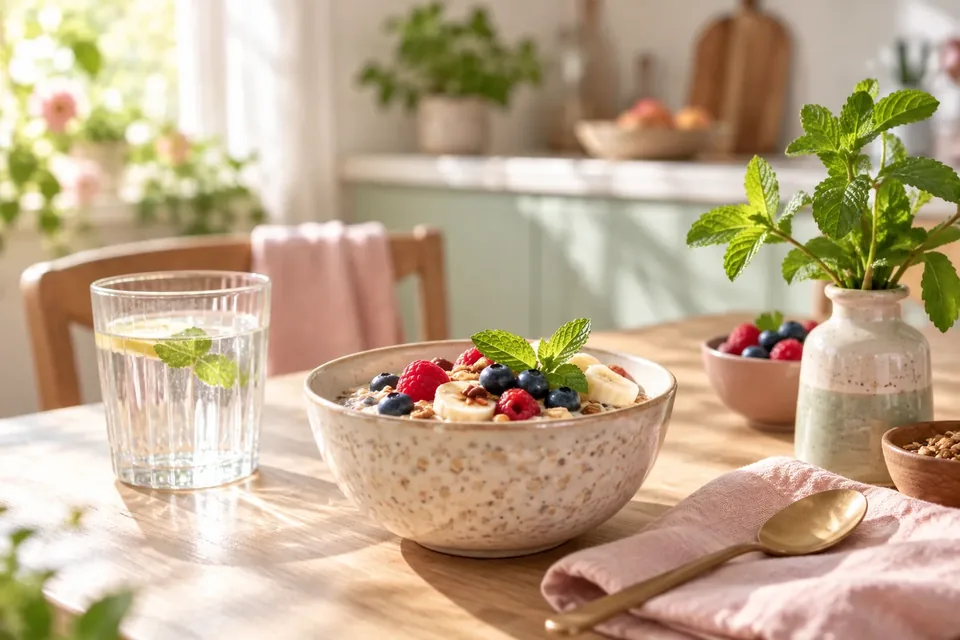
Waking up with a mildly unsettled stomach or light nausea is a familiar part of early GLP-1 therapy for many people. The good news: this queasiness is common, often temporary, and can usually be eased with a few simple tweaks to your morning.
GLP-1 receptor agonists, such as semaglutide and tirzepatide, slow down how quickly your stomach empties. This effect is central to how these medicines work, but it also explains why many people feel a bit queasy, especially in the first weeks or after a dose increase (PMC). In clinical trials, about 40–44% of people report some degree of nausea, but for most this is mild and tends to improve after the first month (HealthiCare).
Why Morning Queasiness Happens on GLP-1s
That mild, unsettled feeling in the morning is a predictable side effect as your digestive system adjusts to slower motility. For some, it’s a fleeting sensation; for others, it may linger until mid-morning. The good news is that most people find this queasiness fades with time, especially after the first 3–4 weeks at a stable dose (Cleveland Clinic).
Step-by-Step: A Gentle Morning Routine
If you’re waking up queasy on a GLP-1, here’s a stepwise approach to set yourself up for a more comfortable day:
1. Hydrate First, Don’t Rush Breakfast
- Start with sips of water or mild coffee if you tolerate it. Avoid gulping large amounts or drinking with your meal, as overfilling your stomach can trigger nausea (HealthiCare).
- Don’t force breakfast if you’re not hungry. It’s common for GLP-1 users to have a delayed appetite in the morning. Wait for natural hunger cues, which often appear mid-morning (Eliana Witchell, RD).
2. Mind Your Dose Timing
- If you take your GLP-1 injection in the morning and consistently feel queasy, make a note of when symptoms peak. Some people find shifting their dose to the evening (with clinician guidance) helps reduce morning symptoms (HealthiCare).
3. Gentle Movement and Upright Posture
- Stay upright after waking and after meals—at least 30 minutes. This helps minimize reflux and further queasiness (Cleveland Clinic).
- Gentle stretching or a short walk, if tolerated, can sometimes help your body feel more settled.
4. When Appetite Appears: Start With Something Gentle
- Protein-rich, bland, and low-fat foods are best tolerated. High-fat breakfasts (like bacon, sausage, pastries) slow stomach emptying even more and can worsen queasiness (PMC).
- Cold or room-temperature foods (like chilled yogurt, overnight oats, or a protein shake) are often easier on the stomach and less likely to trigger nausea from strong smells (FODZYME).
- Eat slowly and mindfully, stopping at the first sign of fullness. Overeating, even by a little, can amplify discomfort (Cleveland Clinic).
5. Sample Gentle Breakfasts for GLP-1 Mornings
- Protein shake or smoothie: Use whey, casein, or plant-based protein with water or milk substitute. Add banana or berries for flavor. This can be your first “meal” if solid food isn’t appealing (Southcoast.org).
- Overnight oats with yogurt and banana: Prepped the night before, eaten cold. A Mayo Clinic sample meal with Greek yogurt, banana, and a dab of peanut butter gives about 33g of protein (Mayo Clinic).
- Greek yogurt with berries: Low-fat and protein-rich, this is gentle on the stomach and easy to portion.
- Toast with defatted peanut butter powder: Lower in fat than regular nut butter and easier to digest (ReflexMD).
- Crackers, apple slices, or ginger tea: These can be nibbled slowly, especially if you’re feeling queasy after your dose (PMC).
For more snack ideas, see easy-at-home-protein-snacks-glp-1.
6. Hydration and Snack Timing
- Sip fluids throughout the morning—small amounts frequently, rather than large drinks at once (HealthiCare).
- Snack if needed: If you’re not ready for a full meal, try a small portion of cheese and crackers, a hard-boiled egg, or cottage cheese mid-morning (Eliana Witchell, RD).
7. Supportive Extras
- Ginger or peppermint: Ginger tea, chews, or peppermint can modestly soothe nausea for some people—and are generally safe with GLP-1s (HealthiCare).
- Track your symptoms and food triggers in an app like GLPily or a paper diary. This can help you and your clinician spot patterns and make adjustments.
When to Check In With Your Clinician
- If mild queasiness lasts more than 4–6 weeks at a stable dose, or if you’re unable to eat or drink normally, it’s time to let your provider know. They may adjust your dose or timing (HealthiCare).
- Severe symptoms—persistent vomiting, dehydration, or abdominal pain—require urgent medical attention (Fifty 410).
Learn more about when to seek help in vomiting-on-glp-1-warning-signs and how-long-glp-1-side-effects-last.
A Note on Individual Differences
Everyone’s experience is a little different. Some people find cold foods soothing; others do better with warm options. Texture, flavor, and timing can all play a role in comfort (PMC). There’s no one-size-fits-all plan, so give yourself permission to experiment gently.
A Sample Gentle Morning Flow
- Wake up: Sip water or mild coffee. Stay upright.
- Wait for appetite: No need to force breakfast.
- Mid-morning: Try a bland, protein-rich food or shake.
- Snack if needed: Light, low-fat, and protein-focused.
- Continue small sips of fluids.
- Track what works—and what doesn’t.
With time, most people find morning queasiness fades. Until then, gentle adjustments and a little patience can help you start your day with more comfort.
Sources and further reading
- PMC - Do no harm: managing nausea and vomiting in GLP-1 based obesity therapies
- HealthiCare - Managing Nausea and Fullness on GLP-1 Medications
- Cleveland Clinic - How To Manage GLP-1 Side Effects
- Eliana Witchell, RD - What to Eat on a GLP-1
- Southcoast.org - FAQs - Common Side Effects and Nutrition Tips for GLP-1 Medications
- Mayo Clinic - Protein balance for GLP-1s: Sample meal plan
- ReflexMD - Best Breakfasts When You’re Taking a GLP-1
- Fifty 410 - Nausea on GLP-1 Medications | Patient Education
This article is general education, not medical advice, and hasn’t replaced a conversation with your prescriber. Never change, skip or stop a medicine based on an article or an app. If you have severe or worrying symptoms, get medical help. Written by the GLPily Editorial Team from the sources listed above.
Make your GLP-1 journey easier to track 💚
Keep your shots, weight, food, water and symptom notes together with GLPily, and meet Pily, the little coach who answers from your own logs.


- Shot tracking
- Water & symptoms
- Weight trends
- Journal
- Food scanner
- Progress photos