
- Blog
- Research & Benefits
- GLP-1s, Gut Microbiome, and Pain: What We Know So Far
GLP-1s, Gut Microbiome, and Pain: What We Know So Far
Emerging research suggests a link between GLP-1 medicines, the gut microbiome, and chronic pain relief. Here’s what current science and clinical reports reveal.
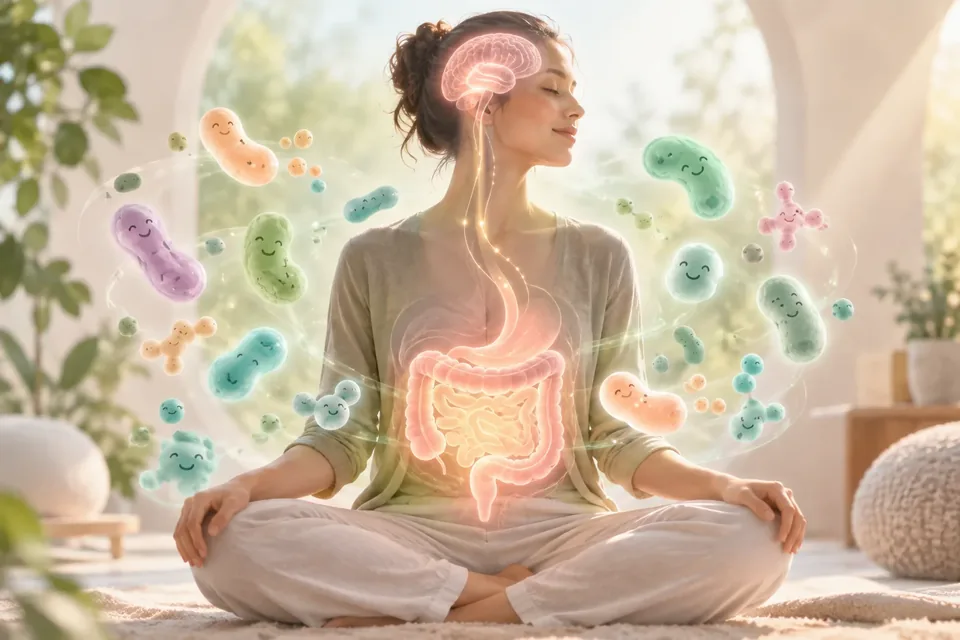
GLP-1 medicines are best known for their role in managing blood sugar and supporting weight loss, but new research suggests they may also influence chronic pain—possibly through changes in the gut microbiome. While this idea is still emerging, understanding the connections between GLP-1s, gut health, and pain could matter for many people living with persistent discomfort.
Chronic Pain, the Gut-Brain Axis, and the Microbiome
Chronic pain affects more than 20% of adults globally, making it a major health and quality-of-life issue. Traditionally, pain was seen as a problem with nerves or inflammation, but newer research frames many pain conditions as disorders of the "gut–brain axis." This means the communication between your gut, your microbiome (the trillions of bacteria and other microbes living in your intestines), and your nervous system may play a key role in how pain is processed (MDPI Nutrients, 2026).
A large systematic review of 21 studies found that people with chronic pain often have less diverse gut bacteria compared to those without pain. In particular, beneficial bacteria like Lachnospiraceae, Faecalibacterium (especially F. prausnitzii), and Roseburia are often depleted, while potentially problematic bacteria like Eggerthella are more common. These shifts may contribute to inflammation and altered nerve signaling, both of which can affect pain perception (MDPI Nutrients, 2026).
GLP-1 Medicines: Remodeling the Microbiome?
GLP-1 receptor agonists (GLP-1RAs), such as semaglutide and liraglutide, are already used for diabetes and weight management. Recent clinical studies suggest they can also change the makeup of the gut microbiome. For example, a small study in people with type 2 diabetes found GLP-1RA treatment significantly increased levels of F. prausnitzii—a type of bacteria known for its anti-inflammatory effects (MDPI Nutrients, 2026).
Reviews published in 2026 emphasize that the relationship between GLP-1 medicines and the gut microbiome is likely two-way: GLP-1s can enrich beneficial, short-chain fatty acid (SCFA)-producing bacteria, and the microbiome itself may influence how well someone responds to GLP-1 therapy (Frontiers in Endocrinology, 2026; PubMed, 2026). However, most of this evidence comes from small studies or reviews, and the direct impact on pain remains unproven in large-scale human trials.
How Could GLP-1s and the Microbiome Affect Pain?
The mechanisms connecting GLP-1s, the microbiome, and pain are complex and mostly based on preclinical (lab or animal) studies. Here are some of the key ideas discussed in recent scientific reviews:
- Microbial metabolites matter: When you eat fiber, your gut bacteria produce SCFAs, which can reduce inflammation in the gut and body. GLP-1 medicines appear to increase the abundance of these SCFA-producing bacteria (MDPI Nutrients, 2026).
- Gut–brain communication: GLP-1 is released in your gut in response to food and microbial metabolites. It then signals to your brain via the vagus nerve and through hormones in the blood, influencing both metabolism and pain sensitivity (MDPI Nutrients, 2026; PubMed, 2026).
- Anti-inflammatory and neuroprotective effects: In animal studies, GLP-1 receptor activation in the spinal cord can reduce pain by promoting anti-inflammatory pathways (like IL-10 and beta-endorphin signaling), blocking certain pain receptors (TRPV1), and inhibiting neuroinflammation (MDPI Nutrients, 2026; MDPI Rheumatology, 2026).
- Microbiome is required: Some animal experiments show that if the gut microbiome is depleted with antibiotics, the anti-inflammatory and pain-relieving effects of GLP-1 medicines disappear, suggesting a real dependency on gut bacteria (MDPI Nutrients, 2026).
While these mechanisms are compelling, translation to human pain relief is not yet confirmed. Most data come from animal studies or small, observational human studies.
What Does the Human Clinical Evidence Show?
So far, clinical reports of GLP-1 medicines reducing pain are limited but intriguing:
- Irritable Bowel Syndrome (IBS): A retrospective cohort study in non-obese women with IBS-D (the diarrhea-predominant form) found that those taking GLP-1RAs had a significantly lower risk of abdominal pain and needed fewer IBS medications compared to matched controls (Reddit, 2026).
- Unexpected improvements: Small case series and anecdotal reports note that some people with refractory IBS-D experienced improved bowel habits and less pain after starting GLP-1 medicines (Reddit, 2026).
- Obesity-related pain: Narrative reviews discuss possible benefits for chronic back and knee pain in people with obesity, but emphasize that most evidence is observational or based on expert opinion rather than randomized controlled trials (Current Pain and Headache Reports, 2026).
- Reddit discussions: Some online discussions mention large pain reductions attributed to GLP-1–induced microbiome changes, but these reports are speculative and not from controlled studies (Reddit, 2026).
What’s Still Unknown?
Despite promising early signs, there are important limitations:
- Most human evidence is based on small studies, case series, or retrospective analysis—not the gold standard of randomized controlled trials.
- It’s unclear whether pain relief comes from microbiome changes, reduced inflammation, weight loss, or direct effects on the nervous system.
- Individual responses to GLP-1 medicines may depend on baseline microbiome composition, but this needs formal study.
The National Institutes of Health (NIH) highlights the need for more rigorous research, including trials that measure both pain outcomes and specific changes in the microbiome, as well as studies using neuroimaging and biomarker analysis to clarify how GLP-1s might work in humans (NIDDK, 2024).
The Bottom Line for GLP-1 Users with Pain
If you’re taking a GLP-1 medicine and notice changes in your pain, you’re not alone—but it’s too soon to say whether these medicines are a proven treatment for chronic pain. The science is at the hypothesis stage: strong mechanistic support from preclinical research, some suggestive clinical observations, but no definitive proof yet.
If pain is a concern, consider tracking your symptoms alongside your GLP-1 doses and discussing any changes with your clinician. An app like GLPily can help keep these records organized for your appointments.
For now, the idea that GLP-1 medicines could help chronic pain through effects on the gut microbiome is an exciting area of research, but not yet a clinical recommendation. As larger and more rigorous studies are completed, we’ll learn more about whether—and for whom—this benefit is real.
Related reading:
Sources and further reading
- MDPI Nutrients – GLP-1 Receptor Agonists, Gut Microbiota, and Chronic Pain: Nutritional Signaling at the Gut–Brain Axis
- Frontiers in Endocrinology – The gut microbiota as a potential determinant of response to GLP-1 receptor agonists: a narrative review
- PubMed – GLP-1 agonists and the gut microbiome: A bidirectional relationship.
- MDPI Rheumatology – Glucagon-like Peptide-1 Receptor Agonists as Modulators of Pain-Related Mechanisms: A Systematic Review
- Current Pain and Headache Reports – GLP-1-Based Therapies in Pain Medicine: A Narrative Review
- Reddit IBSResearch – GLP-1 Receptor Agonist Use for Reducing Symptom Burden and Medication Utilization in Non-Obese Women With IBS-D
- NIDDK – April 2024 Gut Feelings Executive Summary
This article is general education, not medical advice, and hasn’t replaced a conversation with your prescriber. Never change, skip or stop a medicine based on an article or an app. If you have severe or worrying symptoms, get medical help. Written by the GLPily Editorial Team from the sources listed above.
Make your GLP-1 journey easier to track 💚
Keep your shots, weight, food, water and symptom notes together with GLPily, and meet Pily, the little coach who answers from your own logs.


- Shot tracking
- Water & symptoms
- Weight trends
- Journal
- Food scanner
- Progress photos