
- Blog
- Side Effects & Safety
- GLP-1s and Food Texture Sensitivity: Why Foods Feel 'Weird' and How to Cope
GLP-1s and Food Texture Sensitivity: Why Foods Feel 'Weird' and How to Cope
Some foods can feel strangely unappealing on GLP-1 medicines. Learn why textures change, which foods are often affected, and how to make meals enjoyable again.
Why Do Foods Feel Different on GLP-1s?
If foods you once loved suddenly feel odd or unappetizing while taking a GLP-1 medication, you’re not alone. Many people notice changes in how textures or mouthfeel are experienced—sometimes describing meats, dairy, or even bread as “weird,” “hard to eat,” or simply unappealing. These mild food texture sensitivities are a real, if under-recognized, part of the GLP-1 journey.
Current research suggests these changes aren’t usually due to a direct loss of taste or smell. Instead, GLP-1 receptor agonists seem to influence how your brain and body process food cues, including the sensory and emotional response to food textures. According to a 2026 narrative review, GLP-1s likely alter eating experience through a combination of:
- Sensory changes (how your body detects taste and texture),
- Liking (how much you enjoy a food),
- Wanting (your drive or craving to eat that food). (PMC: Altered eating experience during GLP-1 receptor agonist therapy)
So, foods may feel “off” not because your taste buds are broken, but because your enjoyment and motivation around eating have shifted.
What Does the Science Say About Texture Sensitivity?
A 2026 cross-sectional study found that GLP-1 users had a higher threshold for detecting sweet tastes, but their overall ability to taste, smell, and enjoy foods wasn’t broadly impaired. However, these same individuals reported lower food cravings and less reward from eating—even when their basic senses seemed intact (PubMed: The effects of GLP-1RAs on chemosensory function).
Some preclinical studies suggest that GLP-1 can act directly on taste pathways and that aversions might be conditioned by mild nausea or gut discomfort (PMC: Altered eating experience during GLP-1 receptor agonist therapy; PubMed: Parabrachial CGRP neurons mediate incretin-induced aversion). However, there’s no clear evidence that GLP-1s cause major taste loss or permanent changes in mouthfeel.
Which Foods and Textures Are Most Commonly Affected?
While formal studies focus mostly on sweet taste, real-world experiences—often shared in online communities—help reveal which foods tend to trigger texture sensitivities:
- Meats and savory proteins: Many people report that processed meats (like sausages or lunch meats), canned fish, and greasy or fatty cuts become especially hard to eat or feel unpleasant in the mouth (Reddit: Food taste/texture getting weird… anyone else?).
- Oily or dairy-rich foods: Greasy, oily foods and full-fat dairy can suddenly feel too heavy, slimy, or cause a gag response (Reddit: Just started few days ago, savory food tastes bad).
- Strong or foamy textures: Some mention an aversion to foamy or thick textures, or anything that coats the mouth.
- Chewy or dense foods: Foods that require a lot of chewing, like tough bread or dense meats, may become unpleasant—especially for those with pre-existing sensitivities (Reddit: For Those On a GLP1..).
- General heightened awareness: Even foods that never bothered you before may now feel “different” or draw more attention to their texture (Reddit: Texture weirdness).
Why Does This Happen? Unpacking the Mechanisms
Despite these common experiences, the exact reason for texture sensitivity remains uncertain. Researchers propose a few possible explanations:
- Central reward network changes: GLP-1s reduce brain responses to palatable food cues, so foods don’t feel as rewarding or worth the effort to eat (PMC: Altered eating experience during GLP-1 receptor agonist therapy).
- Mild sensory changes: There’s some evidence of a higher threshold for sweet taste and possibly other subtle taste shifts, but no strong signal for broad texture impairment in most people (PubMed: The effects of GLP-1RAs on chemosensory function).
- Conditioned aversion: Mild nausea or gut discomfort—common side effects—can create a negative association with certain food textures, even after the nausea itself passes (PubMed: Parabrachial CGRP neurons mediate incretin-induced aversion).
Individual factors—like baseline sensory sensitivity, other GI symptoms, or psychological state—may also play a role, but these aren’t well defined in current research.
Everyday Strategies: Making Meals Enjoyable Again
If food textures are putting you off, there are practical ways to adapt your meals and routines:
1. Choose Softer, Smoother Foods
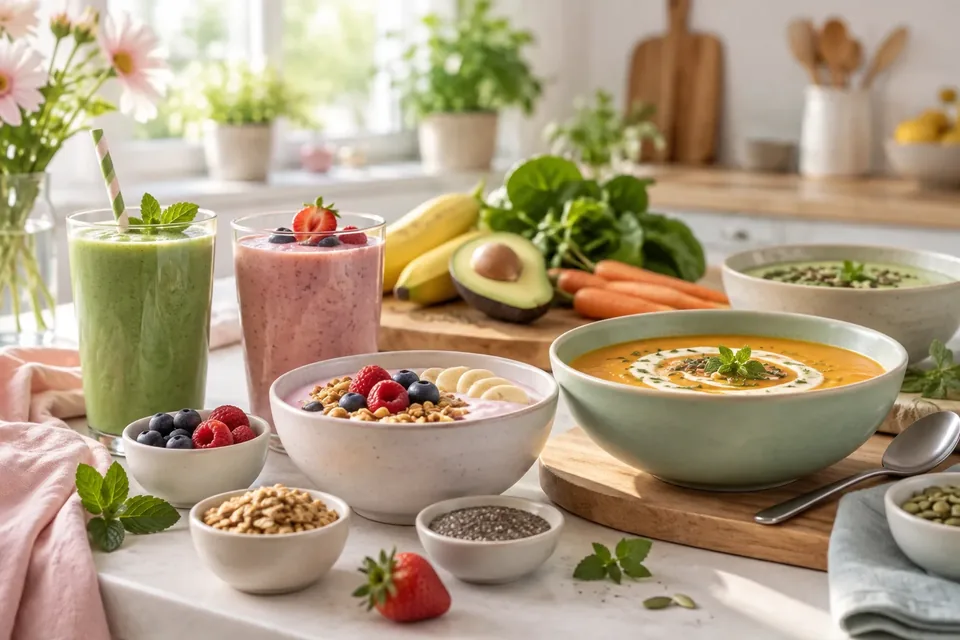
Soft, blended, or pureed foods like yogurt, smoothies, soups, soft tofu, or mashed potatoes are often easier to tolerate. Many find that these textures go down more smoothly and are less likely to trigger aversion (Reddit: For Those On a GLP1..).
2. Eat Small, Slow, and Mindfully
Eating smaller meals more slowly—and stopping at the first sign of fullness—can prevent the kind of gut discomfort that makes textures feel worse (PMC: Nutrition-First Support for GLP-1 and Dual Incretin Therapy). Mindful eating also helps you notice which foods work best at different times.
3. Prefer Cooler or Room-Temperature Foods
Cold or lukewarm foods can feel less intense in texture and smell, making them easier to manage if your mouth feels sensitive (PMC: Nutrition-First Support for GLP-1 and Dual Incretin Therapy).
4. Adjust Fat Content and Preparation
High-fat or greasy foods are common triggers. Try baking, steaming, or grilling instead of frying, and choose lower-fat versions of dairy or meats (PMC: Nutrition-First Support for GLP-1 and Dual Incretin Therapy).
5. Keep a Food and Symptom Journal
Tracking what you eat and how you feel afterward can help you spot patterns—such as which textures or flavors are most bothersome, or if certain foods are only a problem at specific times. Apps like GLPily can make this easier to share with your clinician if needed (Obesity Action: Managing Common GLP 1-Receptor Agonist Side Effects).
6. Try Fiber-Rich, Soothing Foods
Some nutritionists suggest adding more viscous plant-based fibers (like psyllium or chia) to help with gut comfort, which may indirectly make textures more tolerable (Fit&Well: Consuming more of this type of food).
7. Give Yourself Time to Adapt
For many, these sensitivities fade or improve with time as your body and brain adjust. If you’re struggling, slow dose increases (under your clinician’s guidance) and symptom management can make a difference (PMC: Nutrition-First Support for GLP-1 and Dual Incretin Therapy).
If texture aversion is severe, persistent, or linked to significant nausea or inability to eat, reach out to your clinician—especially if you’re losing weight too quickly or struggling with hydration. You can learn more about tracking side effects and what to monitor in our guide on what to track on GLP-1.
What’s Still Unknown?
Studies don’t yet explain exactly why some people are more sensitive than others, or how long these changes last. It’s also unclear which specific food textures are most likely to trigger problems for most people. Research is ongoing, and sharing your experience (and tracking it) may help clinicians and researchers understand more over time.
For more on taste and smell changes, see our article on food taste and smell changes on GLP-1. If you’re curious about related symptoms, our resources on nausea on GLP-1 and constipation on GLP-1 offer practical advice.
Takeaway: Kindness and Experimentation Go a Long Way
Food texture sensitivity on GLP-1s is rarely dangerous, but it can be frustrating. Being gentle with yourself, experimenting with food prep, and tracking what works can help you rediscover enjoyable meals—even if your preferences have shifted for now. And if you ever feel unsure, your care team is there to help you adapt.
Sources and further reading
- PMC: Altered eating experience during GLP-1 receptor agonist therapy
- PubMed: The effects of GLP-1RAs on chemosensory function
- PubMed: Parabrachial CGRP neurons mediate incretin-induced aversion
- Reddit: Food taste/texture getting weird… anyone else?
- Reddit: Just started few days ago, savory food tastes bad
- Reddit: Texture weirdness
- Reddit: For Those On a GLP1..
- PMC: Nutrition-First Support for GLP-1 and Dual Incretin Therapy
- Obesity Action: Managing Common GLP 1-Receptor Agonist Side Effects
- Fit&Well: Consuming more of this type of food
This article is general education, not medical advice, and hasn’t replaced a conversation with your prescriber. Never change, skip or stop a medicine based on an article or an app. If you have severe or worrying symptoms, get medical help. Written by the GLPily Editorial Team from the sources listed above.
Make your GLP-1 journey easier to track 💚
Keep your shots, weight, food, water and symptom notes together with GLPily, and meet Pily, the little coach who answers from your own logs.


- Shot tracking
- Water & symptoms
- Weight trends
- Journal
- Food scanner
- Progress photos