
- Blog
- Side Effects & Safety
- Wegovy Delayed Gastric Emptying: Is It Gastroparesis?
Wegovy Delayed Gastric Emptying: Is It Gastroparesis?
Wegovy delayed gastric emptying is expected with GLP-1s, not gastroparesis. What labels and studies say, and which symptoms need prompt care.
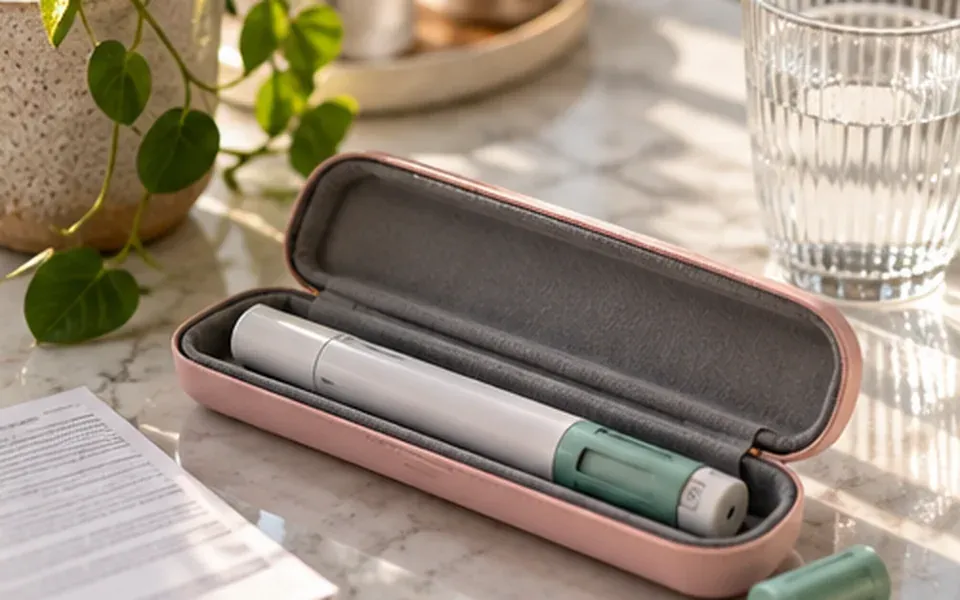
Wegovy delayed gastric emptying is expected: GLP-1 medicines slow down how quickly the stomach empties, and that is one of the ways they help you feel full sooner and for longer. It is not the same as gastroparesis, and persistent or severe symptoms still deserve a proper check rather than guesswork. The US labels for Ozempic, Wegovy, Mounjaro and Zepbound all describe this "delayed gastric emptying" effect.
That doesn't mean everyone taking one has gastroparesis. Gastroparesis is a diagnosed condition in which the stomach empties too slowly without anything physically blocking it. Its symptoms overlap with ordinary medication side effects and with other digestive conditions, which is why it's so easy to confuse online.
What symptoms are worth discussing?
Persistent nausea, repeated vomiting, feeling full after a few bites, fullness that lingers long after meals, belly discomfort or trouble getting enough food and fluids are all worth raising with a healthcare professional. Symptoms alone can't diagnose gastroparesis; testing may be needed to rule out other causes. People with diabetes can also have delayed stomach emptying for reasons unrelated to GLP-1 treatment—NIDDK lists diabetes as a risk factor for gastroparesis.
If nausea is your main issue, our guide to nausea on GLP-1 has practical food tips.
What the labels and research say about GLP-1 and gastric emptying
- Labels: The US labels say these medicines are not recommended for people with severe gastroparesis, and that gastrointestinal side effects can sometimes be severe. Since market launch, ileus (a stalled bowel) and intestinal obstruction have also been reported—post-marketing reports that can't establish how often they happen or prove cause.
- Randomized trials: A 2025 Gastroenterology meta-analysis of 55 placebo-controlled trials (about 106,000 people) found GLP-1 medicines probably had little or no effect on gastroparesis and most other serious GI events, while gallstones and reflux were more common.
- Observational data: A 2023 research letter in JAMA, using US insurance claims, reported higher rates of gastroparesis diagnoses among people using semaglutide or liraglutide for weight loss than among people using another weight-loss medicine. Studies like this can flag a possible signal but can't prove the medicine caused it, and rare long-term events are hard for trials to catch.
So the fair summary is: slower stomach emptying is expected; a true gastroparesis diagnosis is a separate question that needs a clinician.
Surgery, sedation and anesthesia
Because food can stay in the stomach longer, the US labels now note rare reports of pulmonary aspiration (stomach contents entering the lungs) in people on these medicines who had general anesthesia or deep sedation—sometimes even after fasting. The labels ask patients to tell their healthcare providers before any planned surgery or procedure. Your care team will decide how to prepare; don't change your medicine schedule on your own.
Who needs an individualized conversation?
Tell your prescriber if you have a history of gastroparesis, previous stomach or bowel surgery, ongoing vomiting or any condition that affects how your gut moves. Share medicines that slow digestion too. A clinician can decide whether symptoms need testing and what a safe next step looks like—please don't adjust a dose or self-diagnose from a checklist.
When to seek prompt care
Get urgent medical help if you are vomiting repeatedly and can't keep fluids down, have severe or worsening belly pain, your abdomen becomes very swollen, you can't pass stool or gas, or you notice signs of dehydration such as very little urine or dizziness. These can point to several conditions besides gastroparesis, including a bowel blockage. See severe stomach pain on GLP-1 for more warning signs.
Slowed stomach emptying is part of how the medicine works; persistent or severe symptoms deserve a proper assessment. You don't have to figure out the diagnosis alone.
Common questions
Does Wegovy cause delayed gastric emptying?
Yes. The US labels for Wegovy, Ozempic, Mounjaro and Zepbound all describe a delayed gastric emptying effect. It is part of how these medicines work, helping you feel full sooner and for longer, and it is expected rather than a sign that something has gone wrong.
Is Mounjaro delayed gastric emptying the same as gastroparesis?
No. Slower stomach emptying on Mounjaro or another GLP-1 is an expected effect of the medicine. Gastroparesis is a diagnosed condition in which the stomach empties too slowly without any physical blockage, and the labels say these medicines are not recommended for people with severe gastroparesis. Symptoms alone cannot tell the two apart; a clinician may need testing to rule out other causes.
Does Ozempic delayed gastric emptying matter before surgery?
It can. Because food can stay in the stomach longer, the US labels note rare reports of pulmonary aspiration in people on these medicines who had general anesthesia or deep sedation, sometimes even after fasting. Tell your healthcare providers you take a GLP-1 before any planned surgery or procedure, and let your care team decide how to prepare rather than changing your medicine schedule on your own.
What does research say about GLP-1 and gastric emptying problems?
A 2025 Gastroenterology meta-analysis of 55 placebo-controlled trials found GLP-1 medicines probably had little or no effect on gastroparesis and most other serious GI events. A 2023 JAMA research letter using insurance claims reported higher rates of gastroparesis diagnoses among people using semaglutide or liraglutide for weight loss, but studies like that can flag a possible signal without proving cause.
When does slow stomach emptying on a GLP-1 need medical attention?
Persistent nausea, repeated vomiting, feeling full after a few bites, lingering fullness or trouble getting enough food and fluids are worth raising with a healthcare professional. Get urgent help if you are vomiting repeatedly and cannot keep fluids down, have severe or worsening belly pain, a very swollen abdomen, cannot pass stool or gas, or notice signs of dehydration.
Sources and further reading
This article is general education, not medical advice, and hasn’t replaced a conversation with your prescriber. Never change, skip or stop a medicine based on an article or an app. If you have severe or worrying symptoms, get medical help. Written by the GLPily Editorial Team from the sources listed above.
Make your GLP-1 journey easier to track 💚
Keep your shots, weight, food, water and symptom notes together with GLPily, and meet Pily, the little coach who answers from your own logs.


- Shot tracking
- Water & symptoms
- Weight trends
- Journal
- Food scanner
- Progress photos